Palo: an interactive community hub
for LQD and frog ventures
Physical-digital
Interaction model
WIREFRAMING
Project: LQD is a venture aimed at making the Connected City a reality. Palo is their urban communications hub. This was the software design phase for the public device. View frog case study
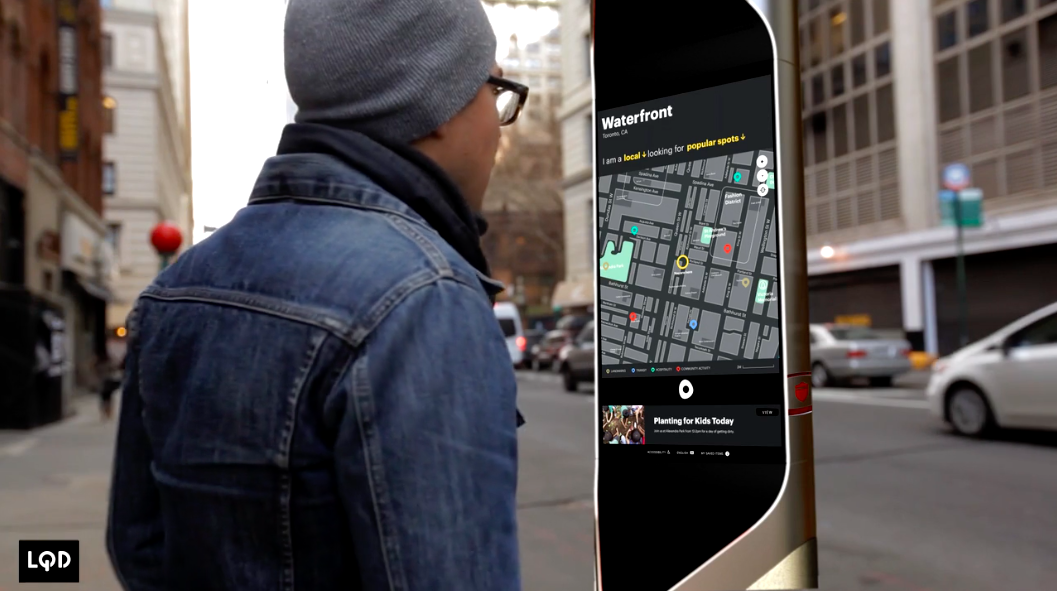
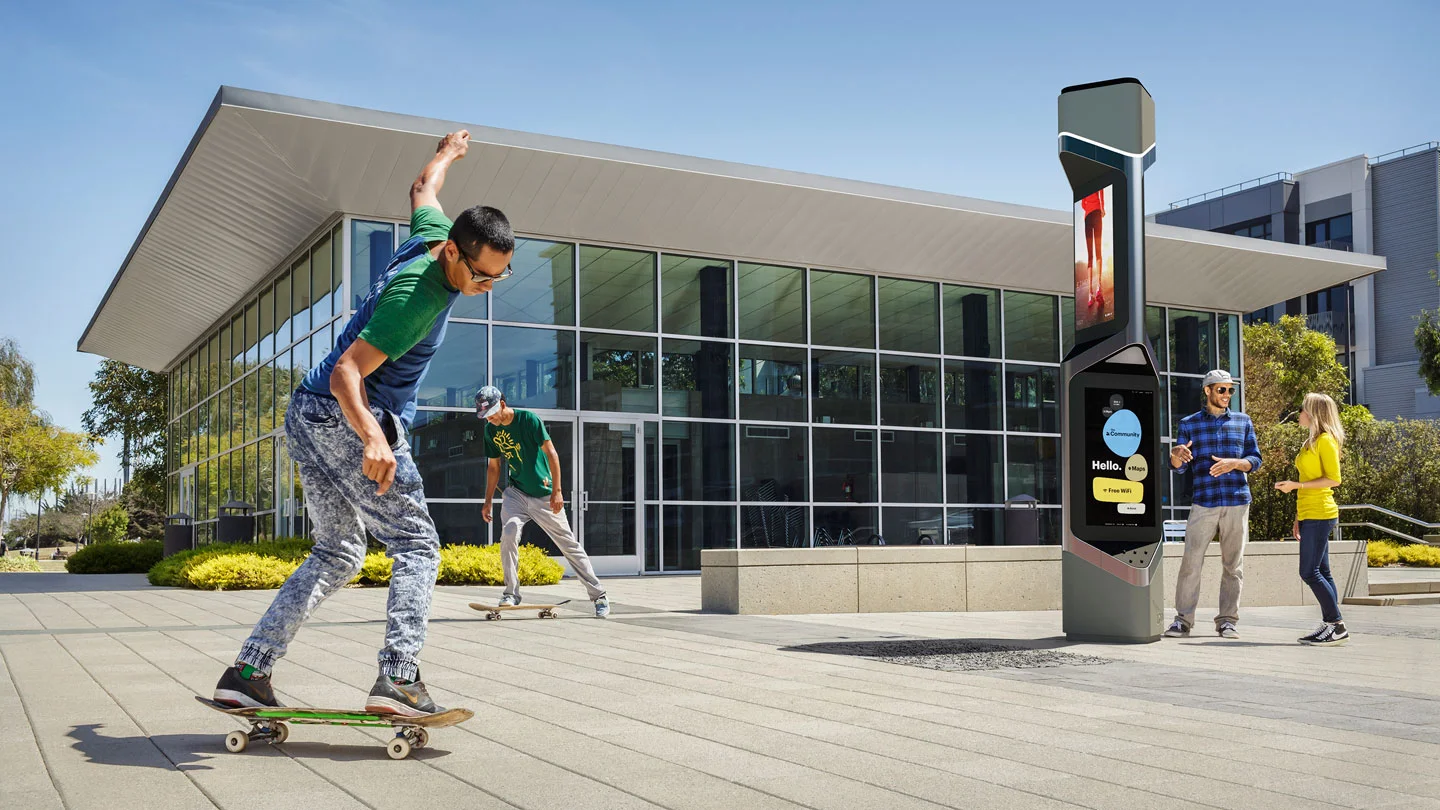
Problem statement: Palo was a public large screen interface for community engagement in urban environments. This community hub needed to serve a wide variety of users with a wide variety of needs. Vandalism, privacy and approachability were major concerns.
My role and responsibilities: I was involved for 4 weeks during the interface design phase. Created interaction model and various UI patterns. Visual design was done by another designer afterwards.
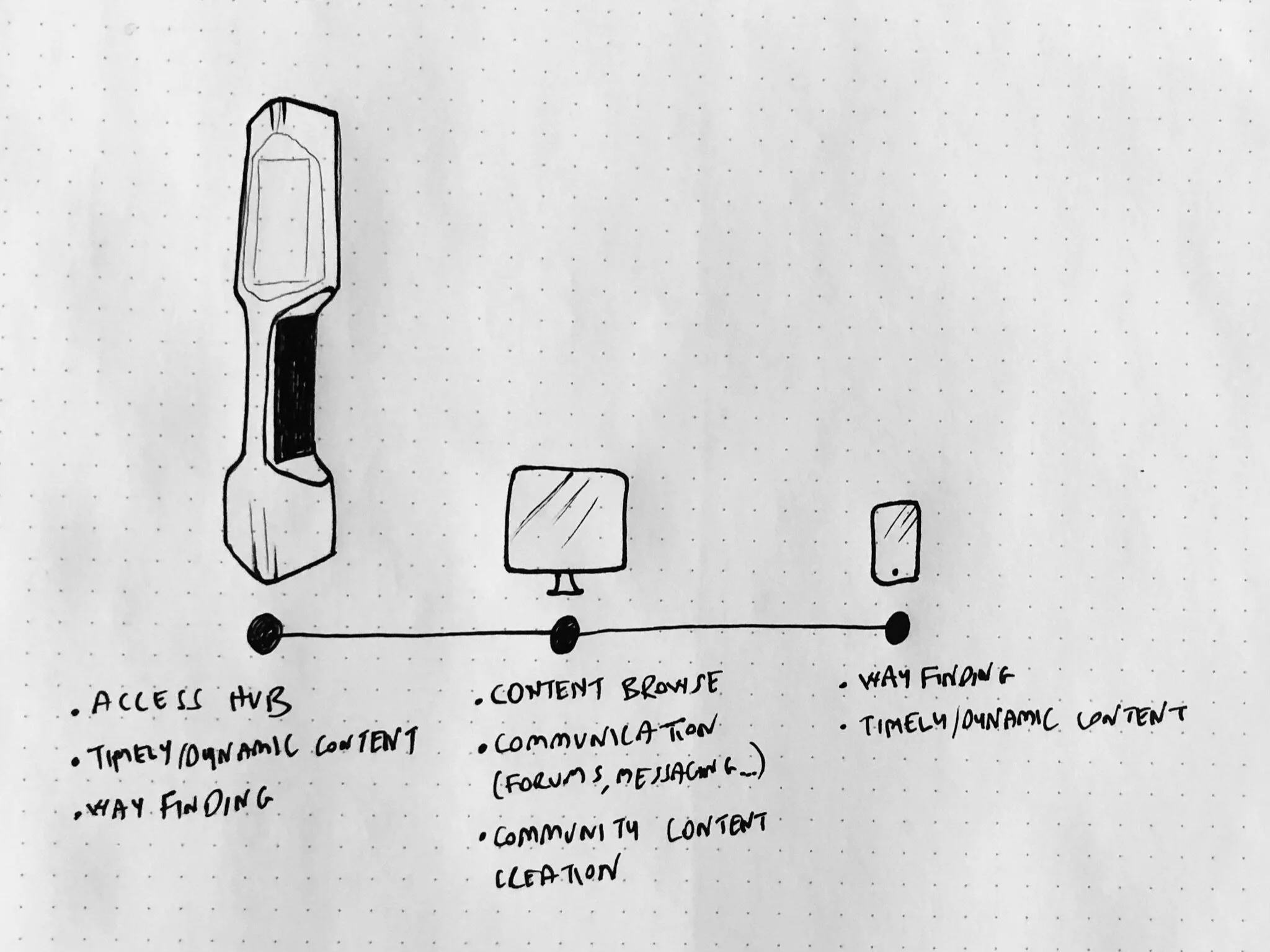
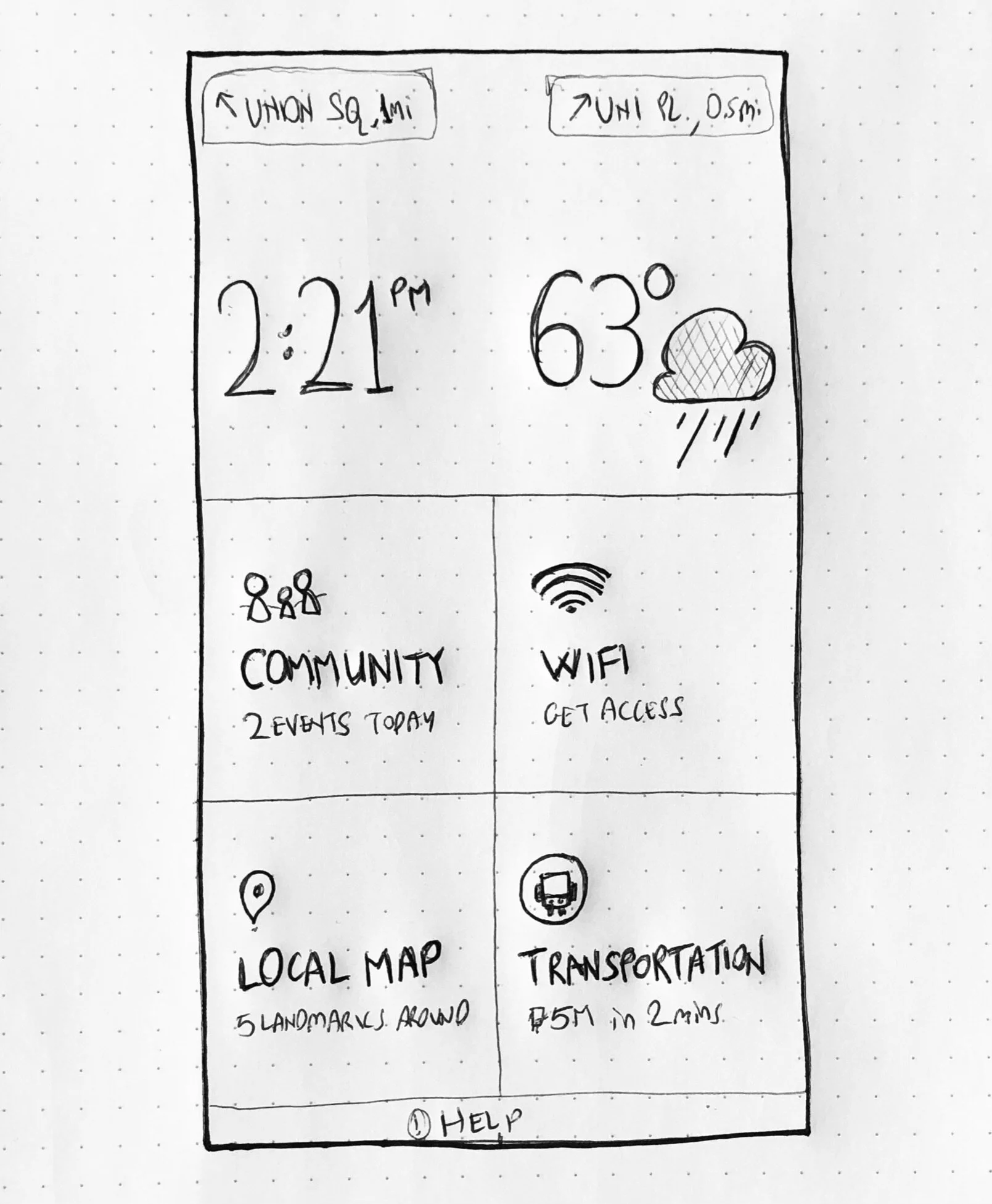
Palo was imagined to be a one stop shop for all user needs (content creation, messaging, browsing, way finding etc.). This meant overloading a large public device with features it was not suited for. I proposed a multi-device ecosystem approach where content and actions were divided between multiple touch points. This simplified the experience on the public screen, focusing it on highlighting community content, way finding and providing internet access to everyone.
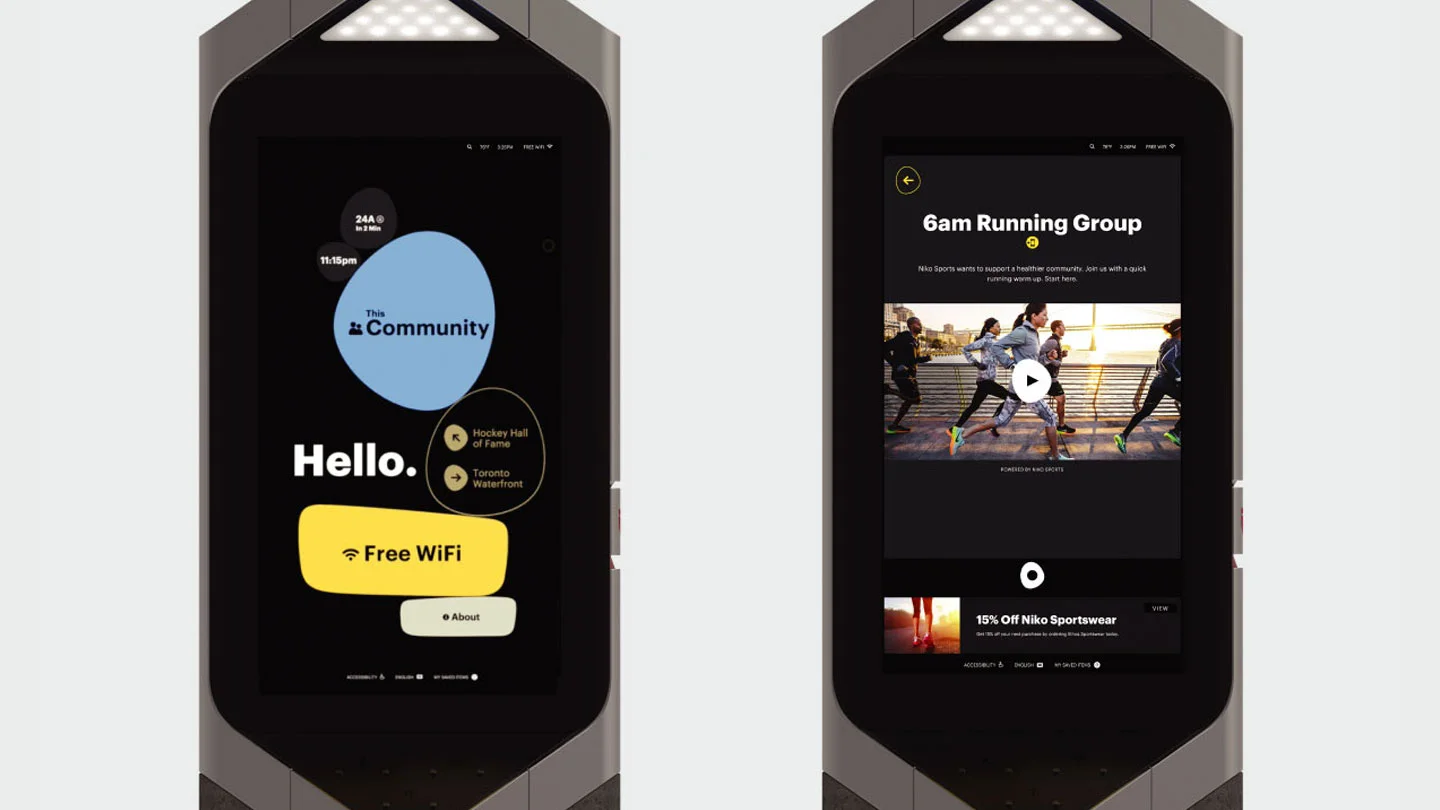
First proposal for the home screen was a web-like architecture with a lot of content. Seeing the need to make this giant device approachable, I proposed an Attract screen that would grab peoples’ attention from a distance. This design highlighted simple starting points for a variety of users, from local community members to tourists.
2. ESSO FUELING APP: DEVELOPING A MOBILE PAYMENT APP
FOR EXXON, UK & EUROPE
USABILITY TESTING
DEVELOPMENT SUPPORT
WIREFRAMING
FUNCTIONAL DOCUMENTATION
CREATIVE LEAD
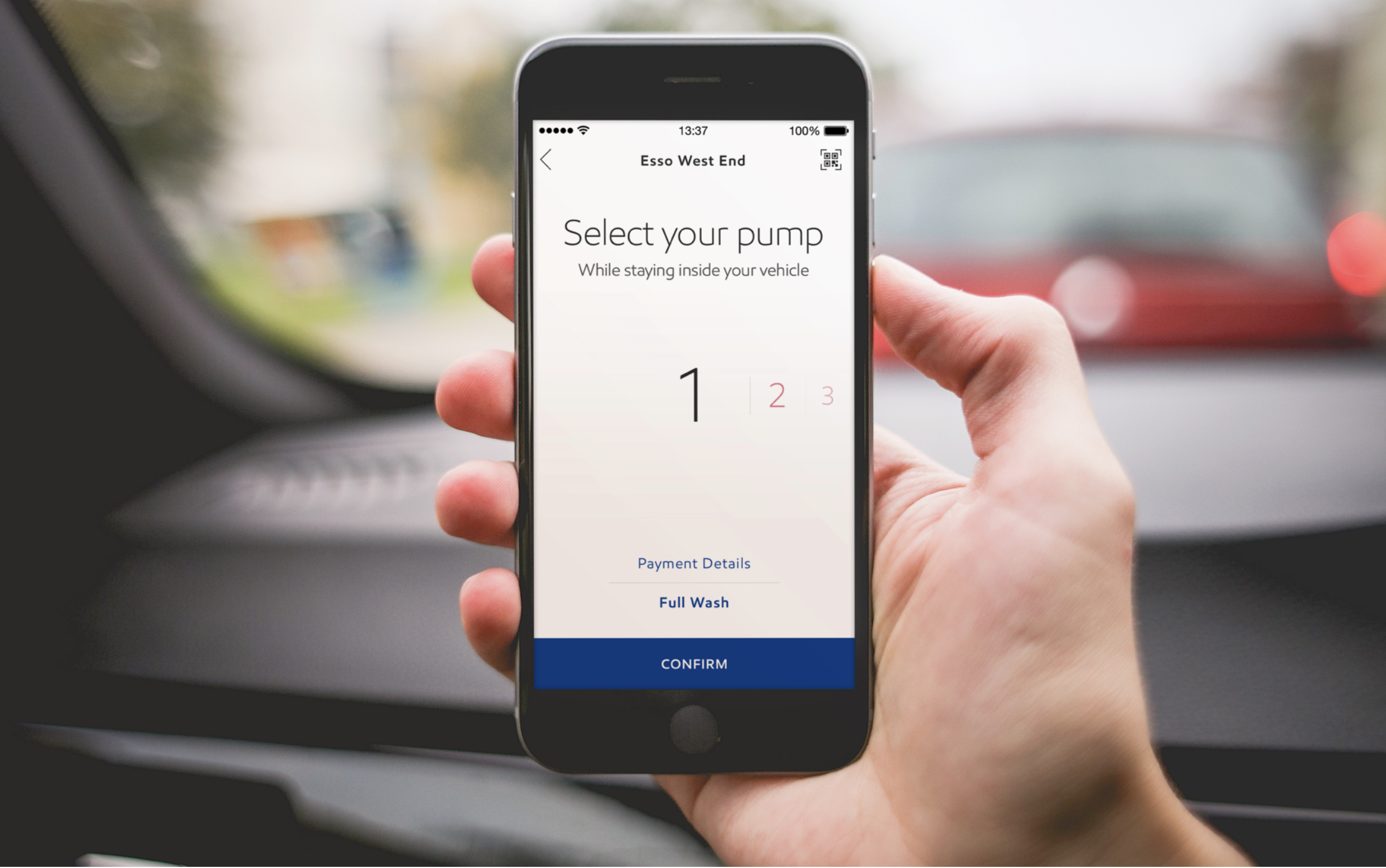
Project: Develop a fueling app for Exxons’ Esso brand for the UK and European market. View in Apple app store. View in Google Play store
Problem statement: Queueing at petrol stations has been a daily pain point for drivers in the UK. To solve this, Exxon wanted to develop a mobile payment app.
After an initial design phase (that I was not involved in), client started developing the app. However, design concept was not tested with users and needed a lot more definition for implementation.
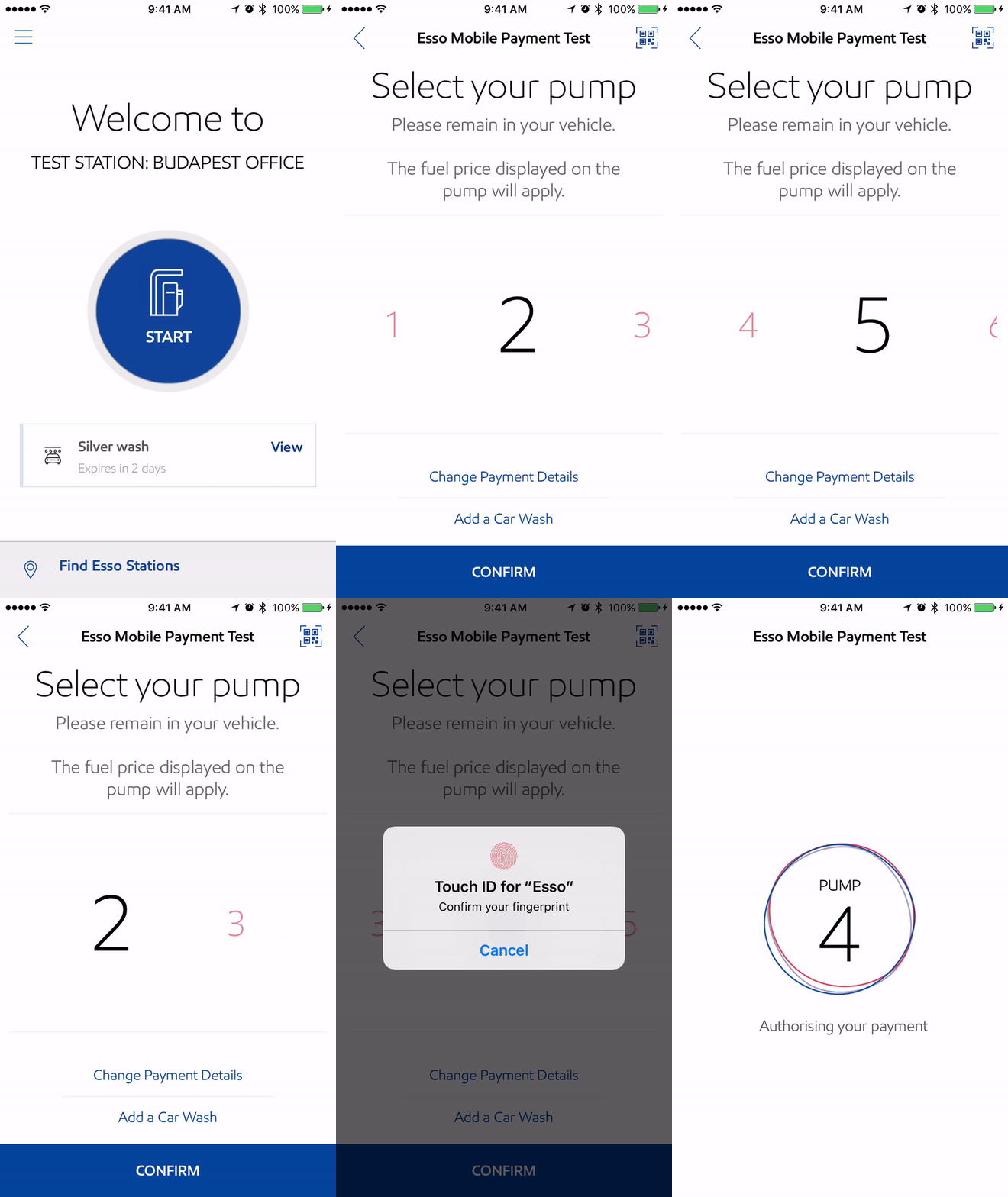
My role and responsibilities: Collaborating with a creative lead and project manager, I led two rounds of user research to test the concept and foundational design. Based on findings, I iterated on designs for Android app while developing a detailed design system for implementation. Also, provided creative direction to a client team who were simultaneously developing the iOS app.
My efforts helped enhance and expand the initial designs. The detailed documentation and daily direction I provided, enabled engineering team to implement the designs with ease and precision.
3. BARILLA: EXPERIENCE STRATEGY TO ENHANCE RESTAURANT LOYALTY program
FOR BARILLA, ITALY & US
user research
customer experience strategy
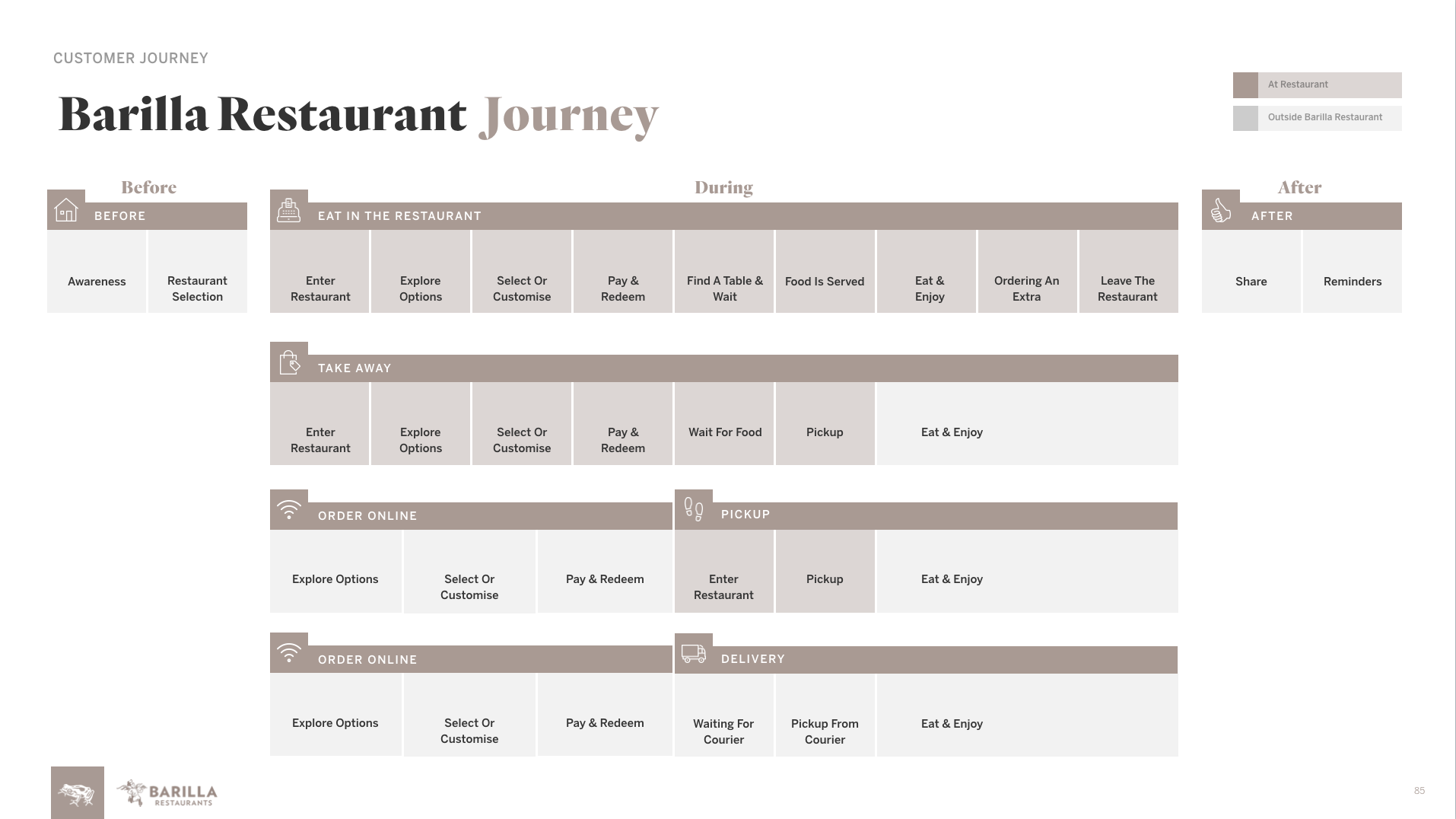
journey mapping
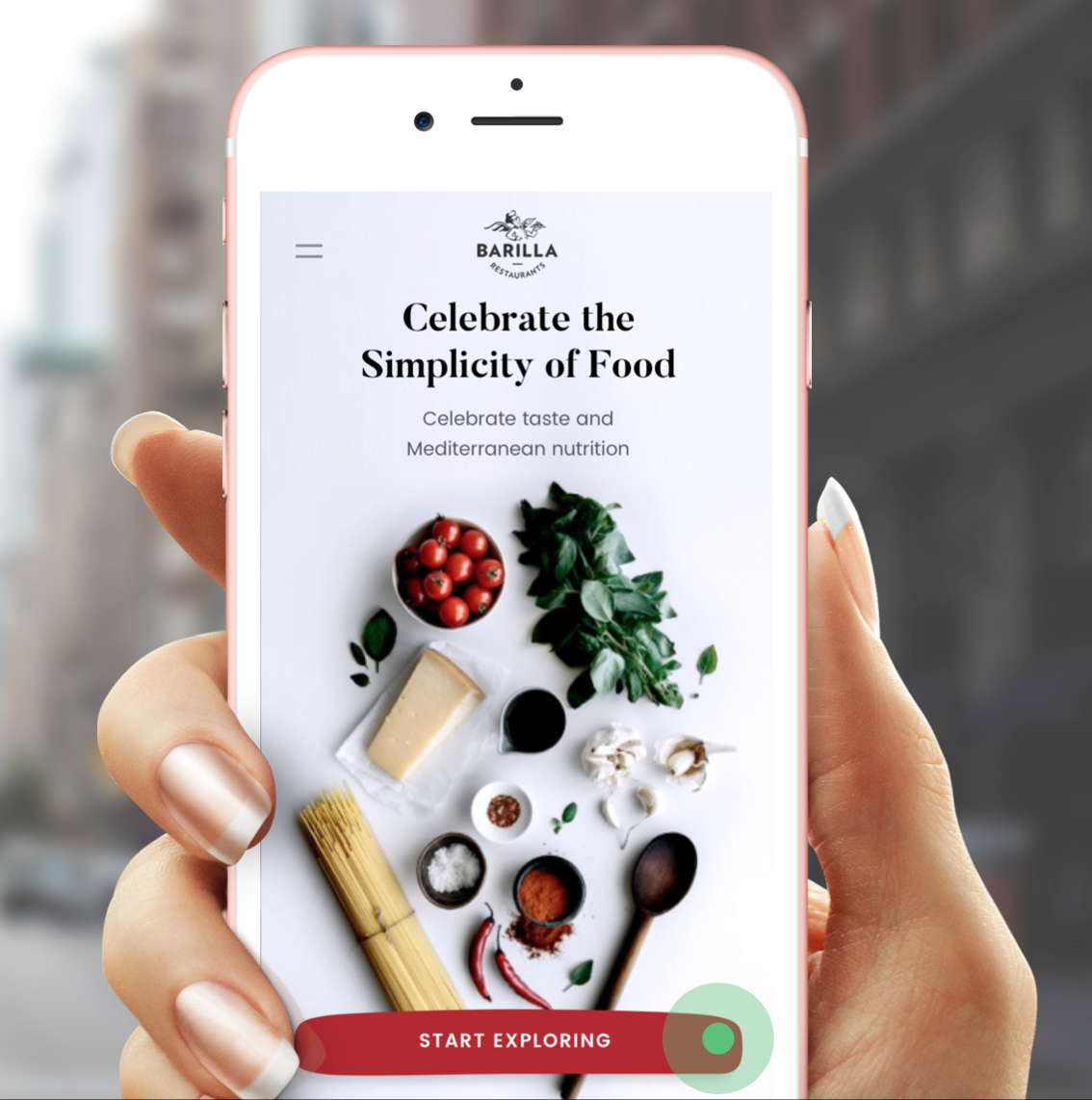
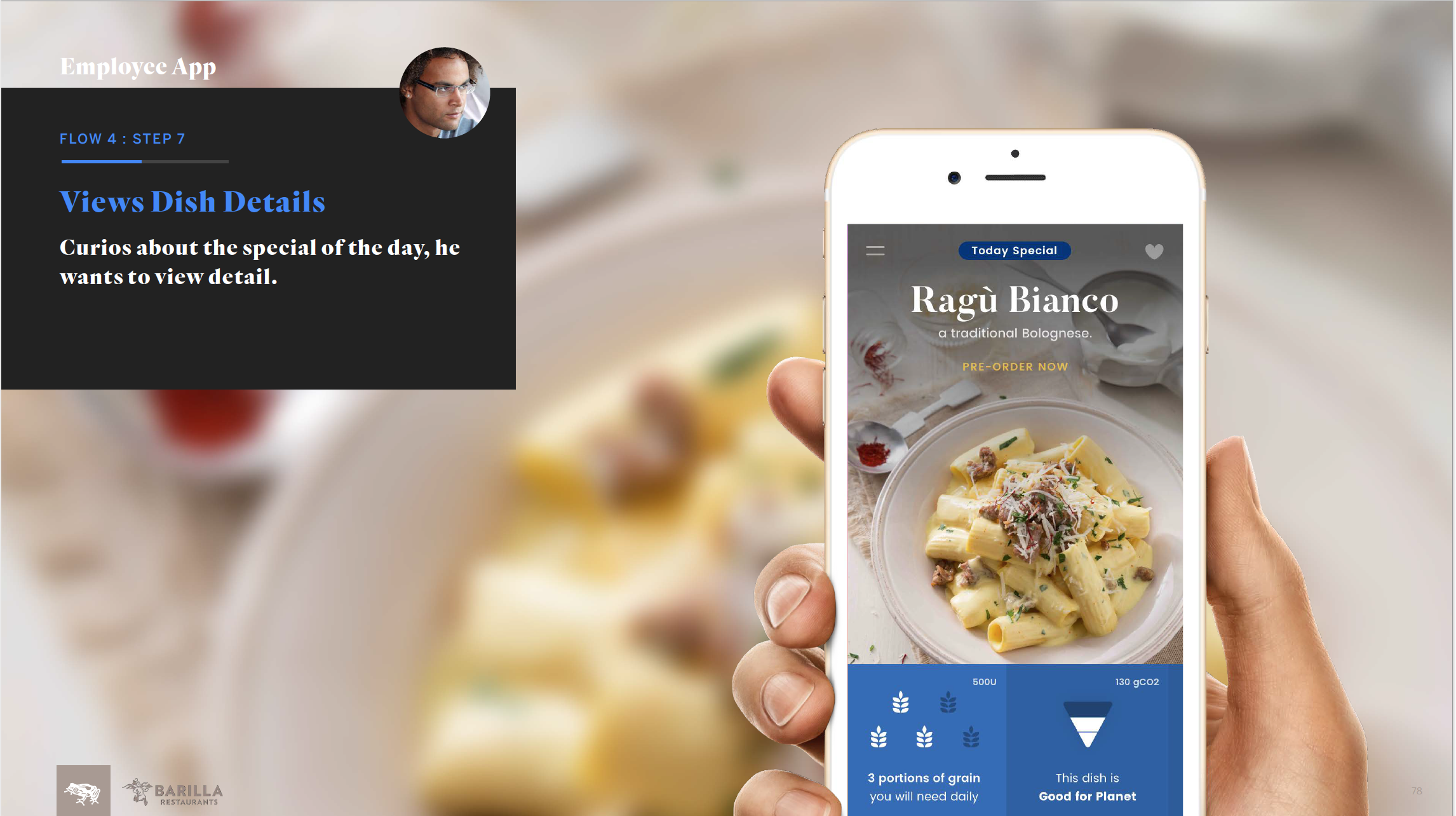
mobile app concept
wireframing
Project: Customer experience strategy for Barilla’s US restaurant chain, with an emphasis on digital loyalty.
Problem statement: Barilla’s loyalty program was a traditional punch-card system that was disconnected to the brand, and underutilized by the customers. Furthermore, Barilla’s heritage in Mediterranean diet was found nowhere on the restaurant and loyalty experience.
The hardest challenge was convincing Barilla to shift away from their initial idea to new concepts rooted in user insights.
Process: To understand the current customer experience, we started the 7 week program by conducting customer and staff interviews. Participatory design exercises with customers provided insights which we used for concept iterations. As the last phase, we focused on a final mobile app concept and loyalty mechanics.
My role and responsibilities: I co-led with an Associate Director. I planned and conducted research in NY; worked with Milan team to run client workshops. I created and prototyped the final concept in collaboration with a visual designer and another interaction designer.
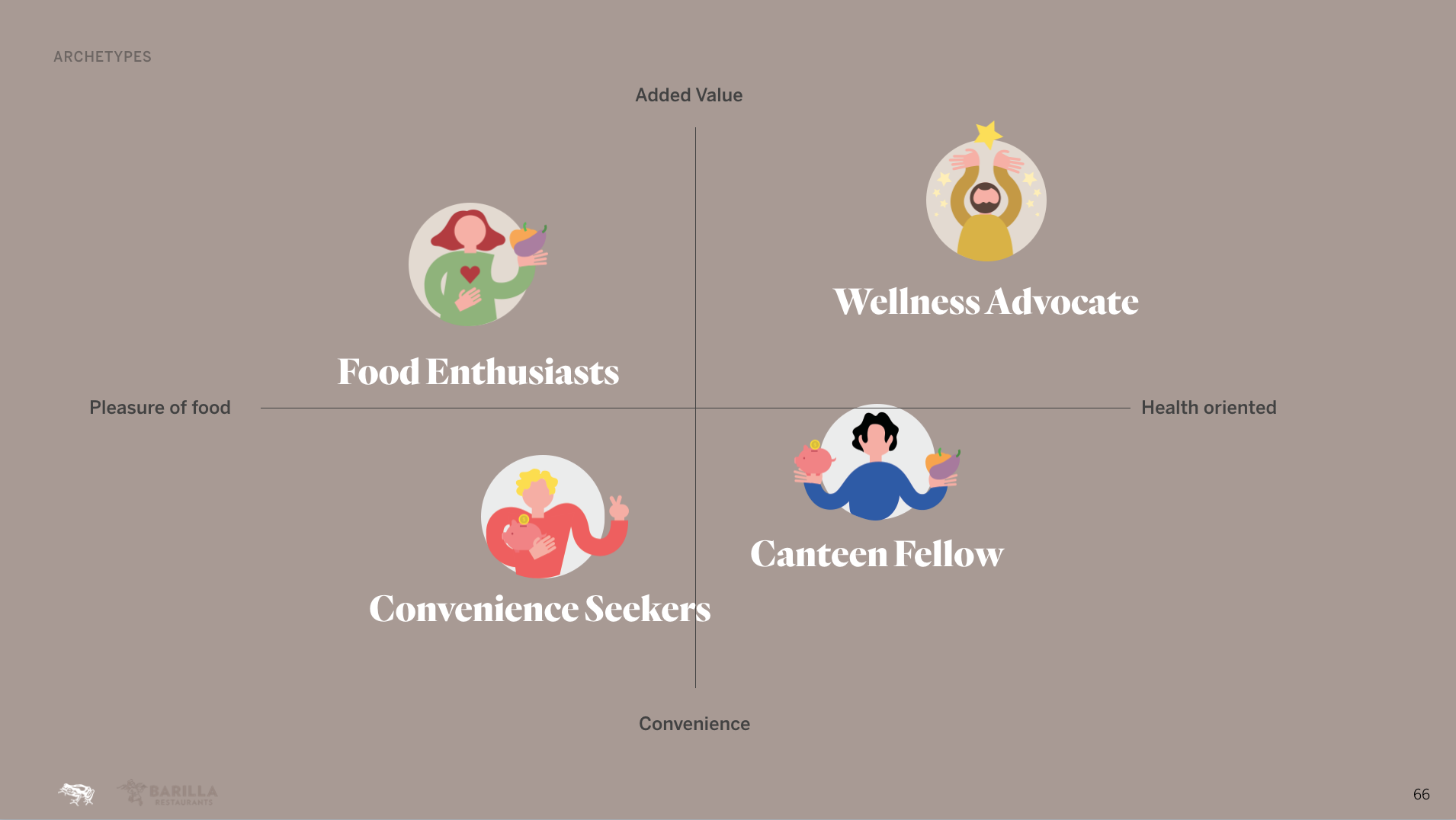
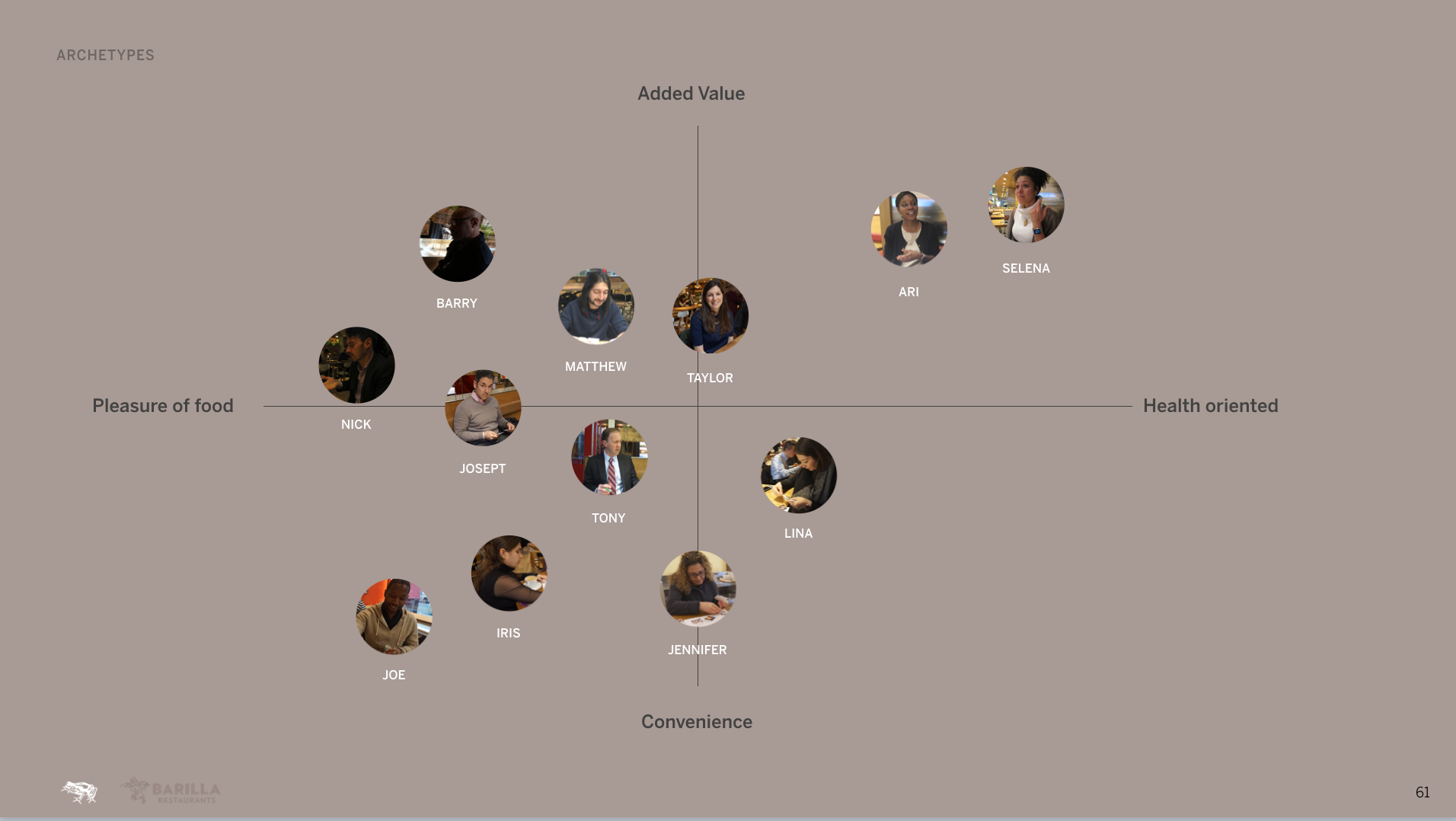
Barilla was focused on their initial idea for a nutritional tracking app. When we ran it by users, it became obvious that users did not see a restaurant chain relevant to tracking their nutrition holistically. We designed research questions and exercises to produce insights on user habits and preferences. These helped us create user archetypes and meaningful concepts to bring along the client to new directions.
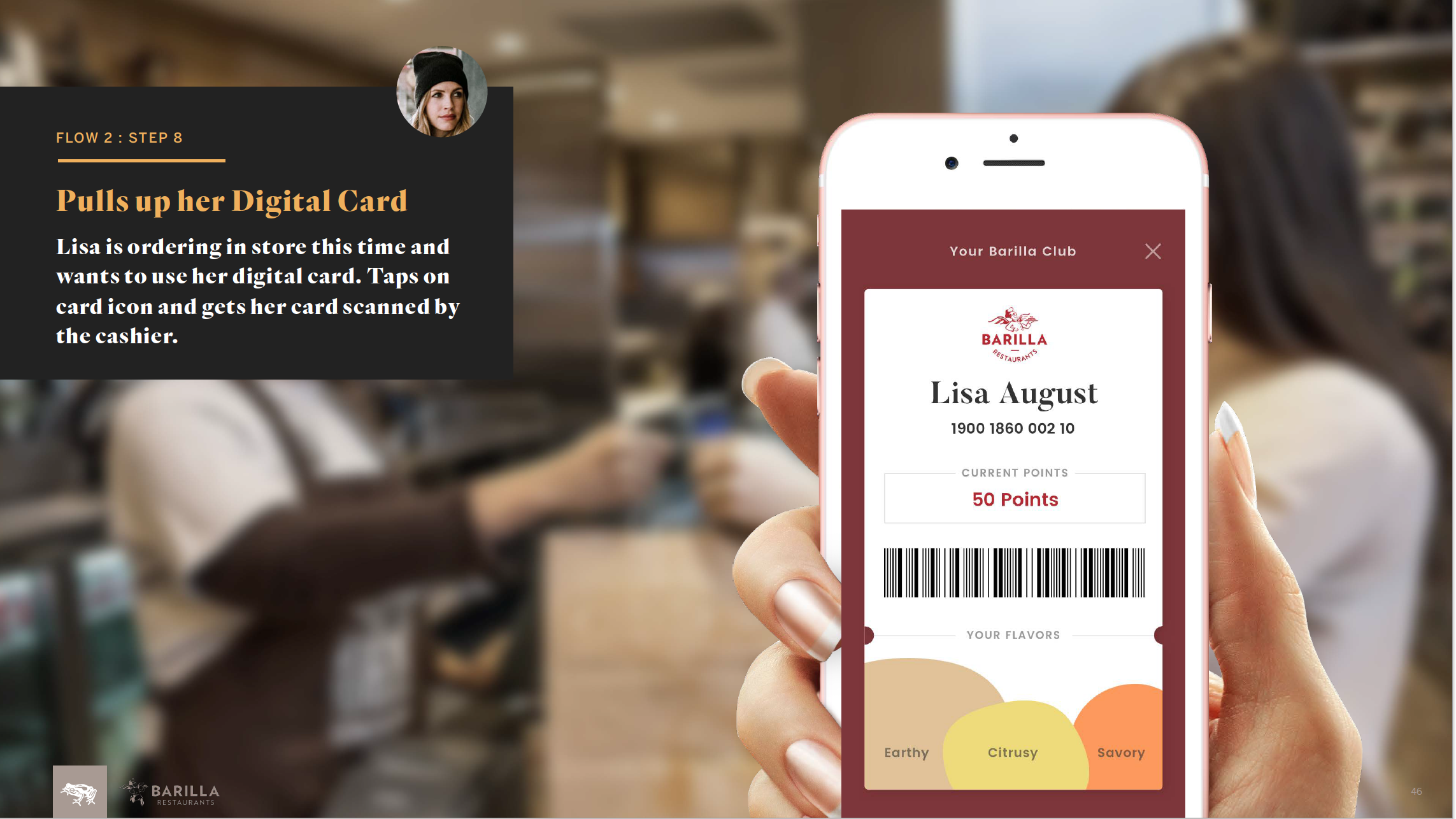
For the final concept, I designed micro challenges to gamify loyalty mechanics. Users were given nutrition related challenges such as trying new flavors or consuming a different food group from the Mediterranean diet. These micro challenges boosted users’ loyalty alongside traditional loyalty mechanics.