calendar app
for android auto
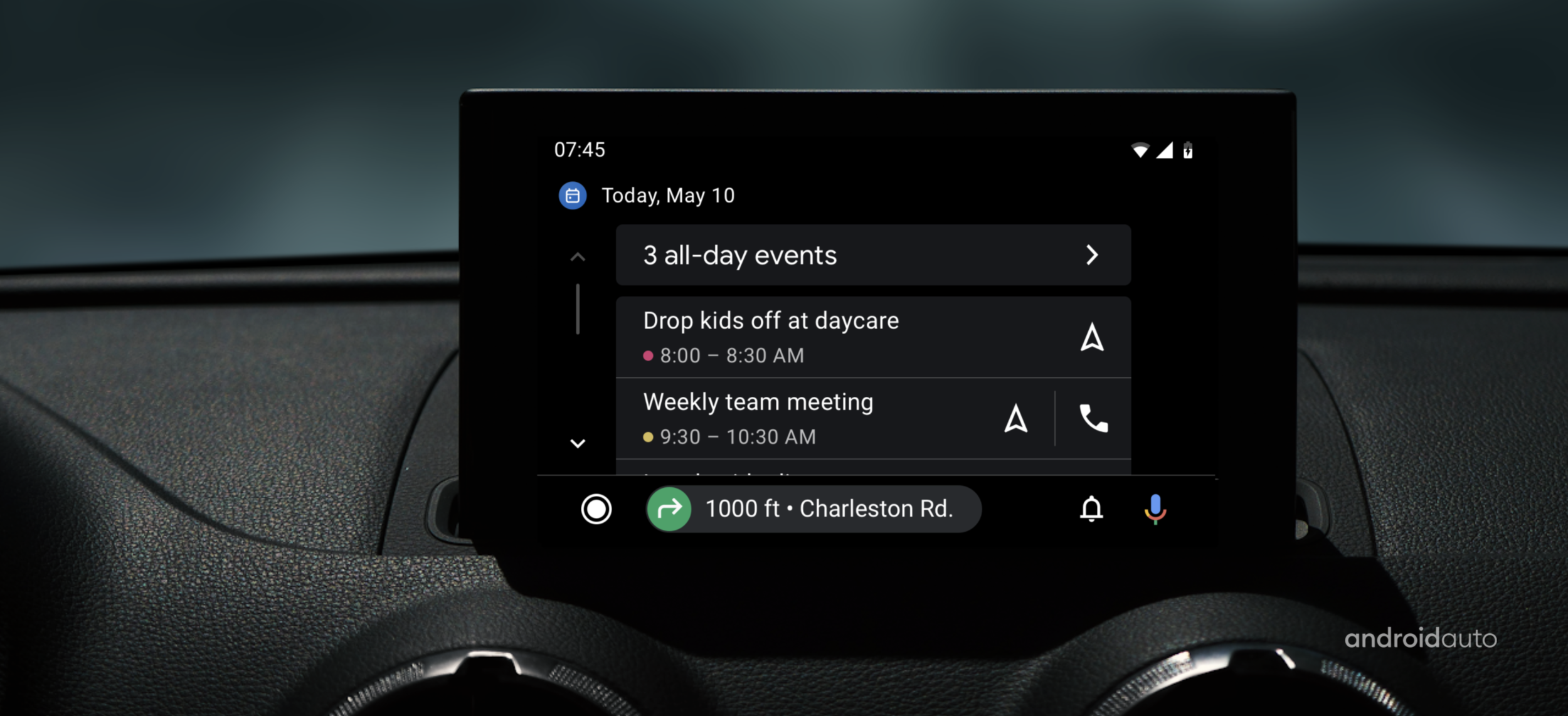
Project: Integrating Android phone calendars to Android Auto to create a safe in-car experience.
Press link - when was it launched????
Process: As Android auto team we had no expertise on the calendar app design, I first gathered insights from internal teams at Google. Than put our early hypothesis and new design patterns through user testing. Deciding on a new optimized list pattern as a result, which is being used on many other Auto UI.
My role and responsibilities: I led design track, working closely with product manager on definition; and with other designers, researchers on design direction and execution.
Lack of calendar integration has been a pain point. However, understanding where to start, which features to bring over and oprimize for car usage was a huge unknown. I helped the team gather knowledge, form hypothesis, test with users and learn. Resulting in a well accepted product that is still grwoing to include
Starting small, tetsing and adding was key. Especially in an area we were not experts at.
Positive press, user feedback and numbers…
Esso fueling App
for Exxon, UK & Europe
usability testing
Development support
wireframing
functional documentation
client lead
creative lead
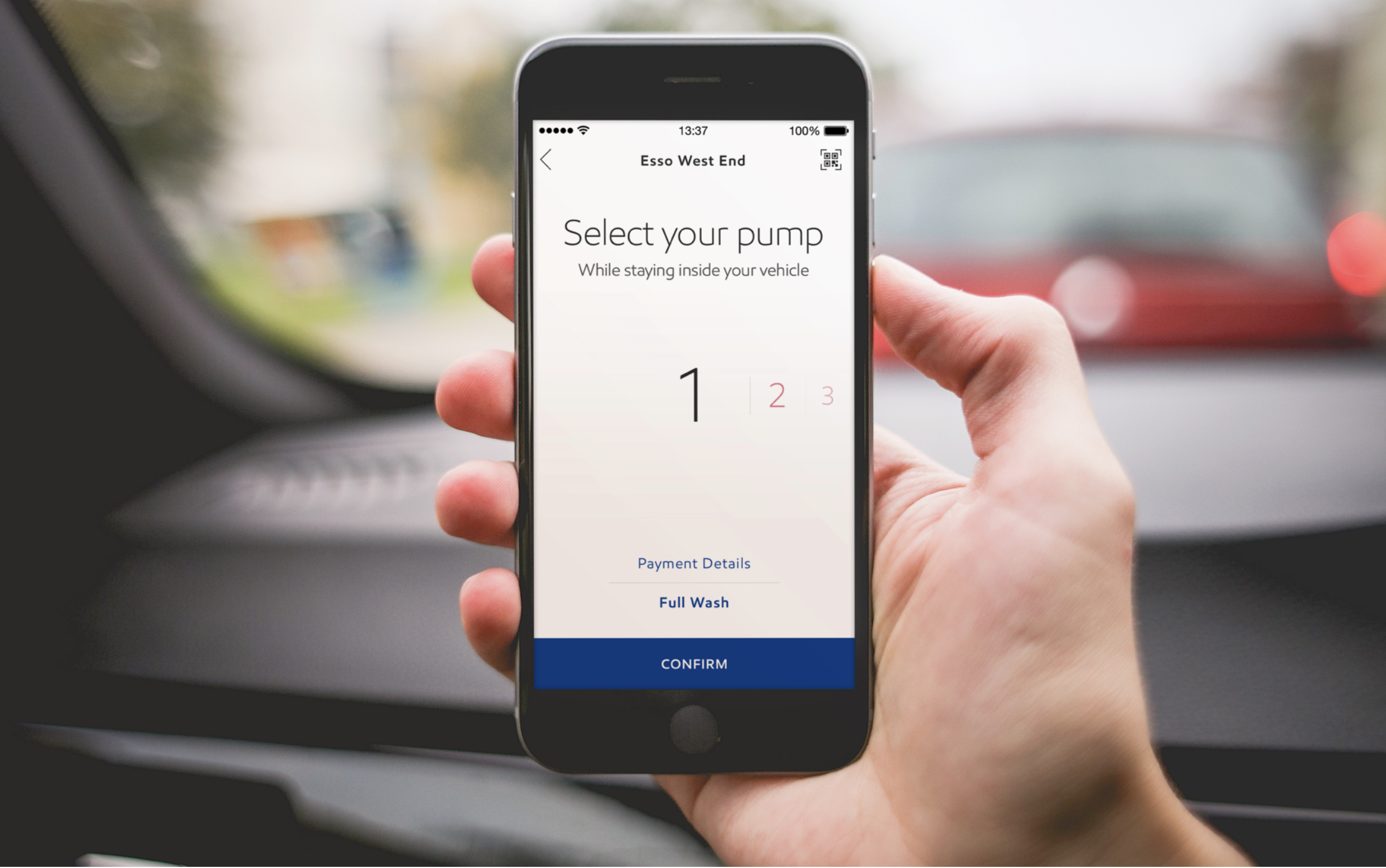
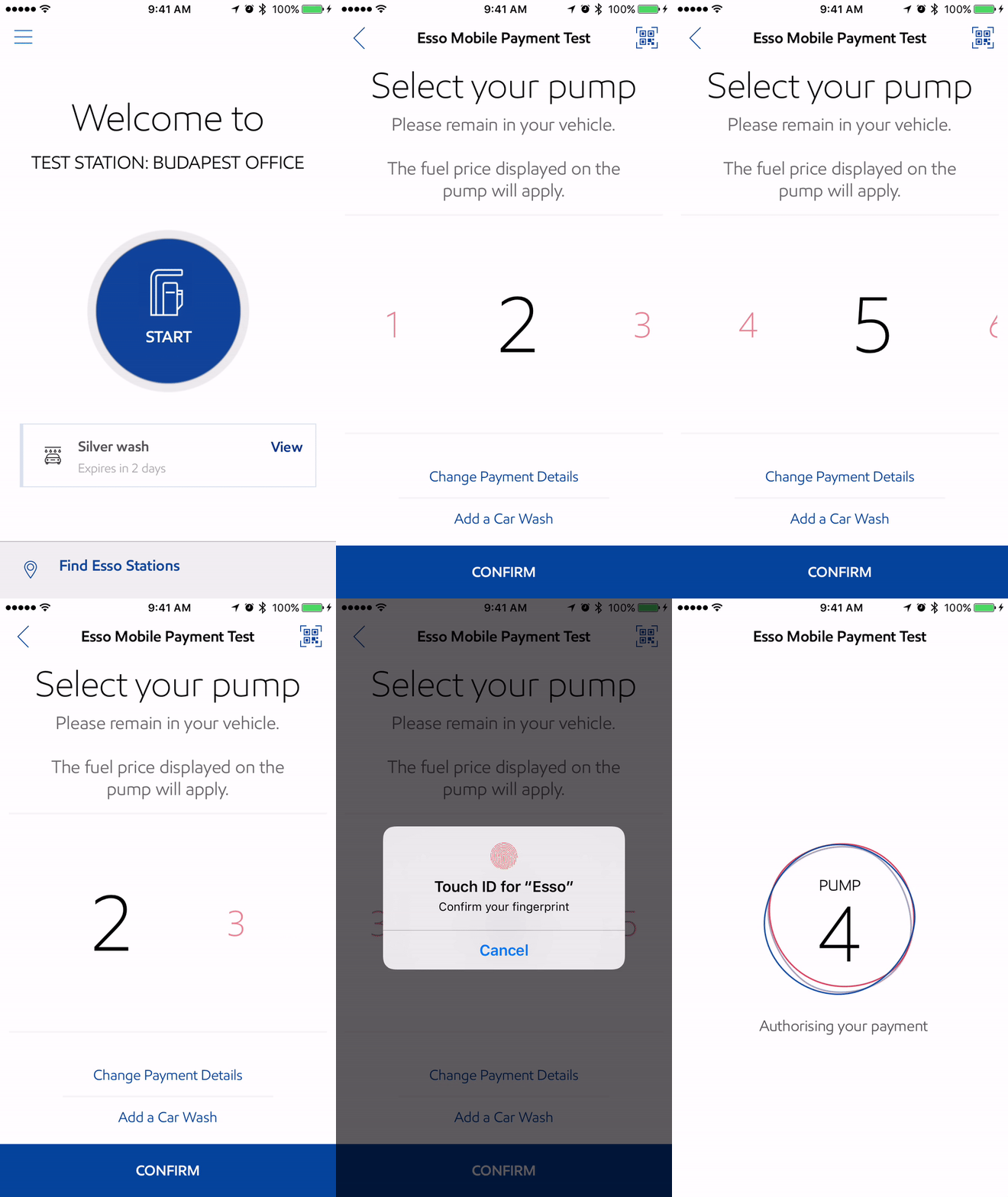
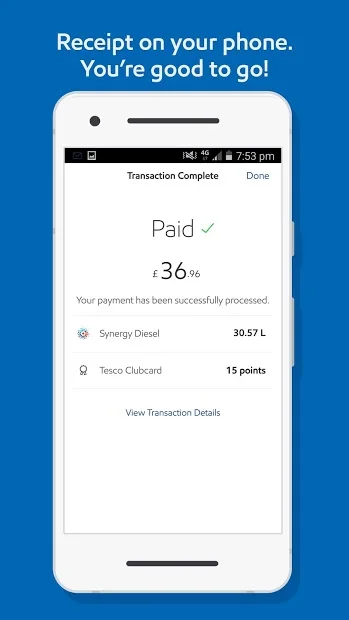
Usability testing, design and development support for an in-station mobile app in the UK and European market.
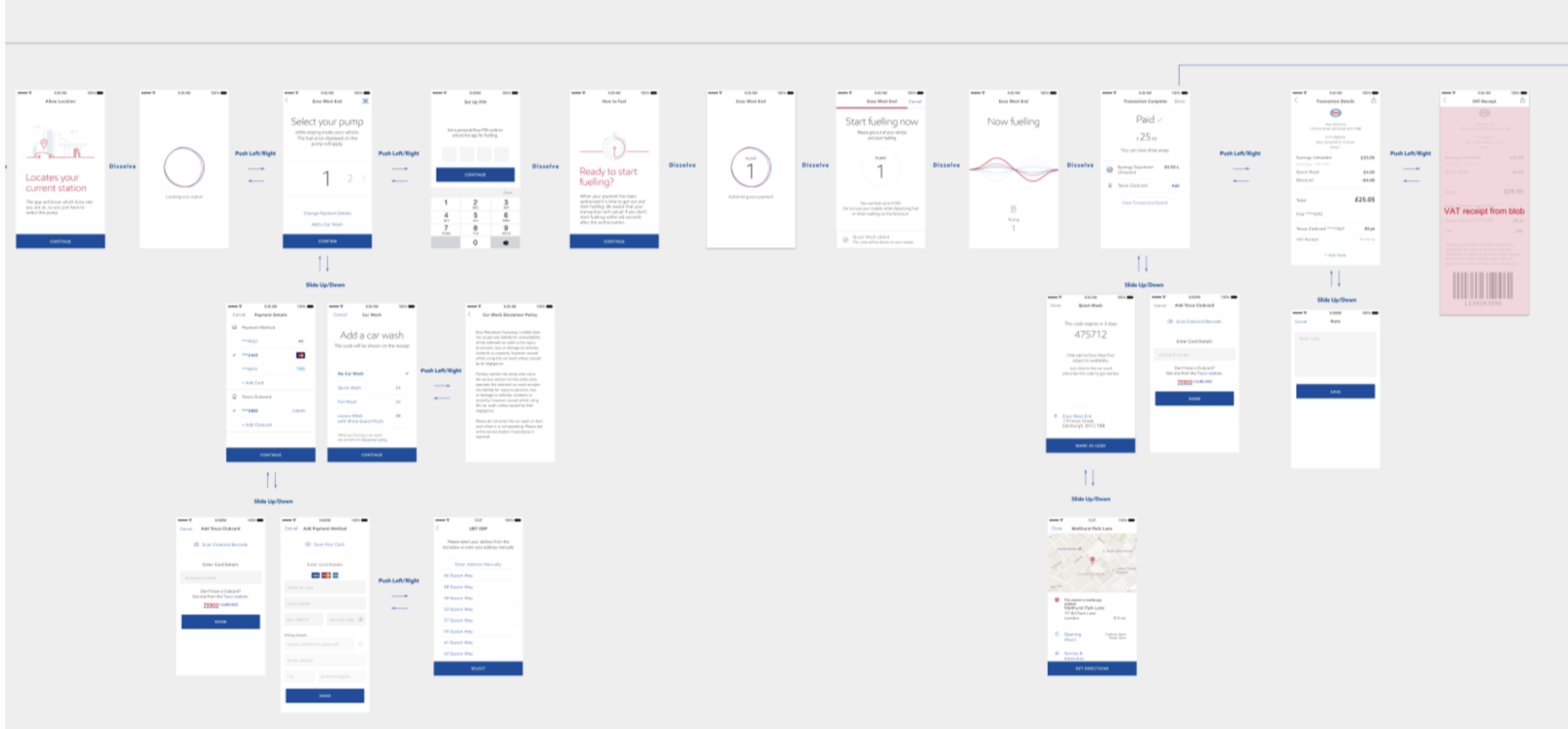
Project: A fueling app for Exxons’ Esso brand for the UK market, where queueing at petrol stations is a common daily pain point. frog Munich and London offices worked on phase 1 product discovery and strategy. This project is the 2nd phase of work where we expanded the key flows into a design system and supported development efforts for iOS and Android apps.
Process: We started with a round of concept evaluation and usability testing in the UK. After completing design enhancements and further development, we conducted a second study to validate the enhancements as well as test new flows. We also supported ongoing development efforts, taking part in daily scrum calls and communicating with development and BA teams. The other track of work was supporting design team on the client side working simultaneously.
My role and responsibilities: As the only designer on the project from frog, I led both rounds of user testing, synthesized findings and worked on design improvements with the larger team. I helped expand the initial foundational designs into a system that could cover all use cases for development. Also supported design and functionality QA, provided design direction to client design and development teams. This was a 4 month effort where I was running the day-to-day relationship with product owners and design teams.
PRODUCT IN THE MARKET
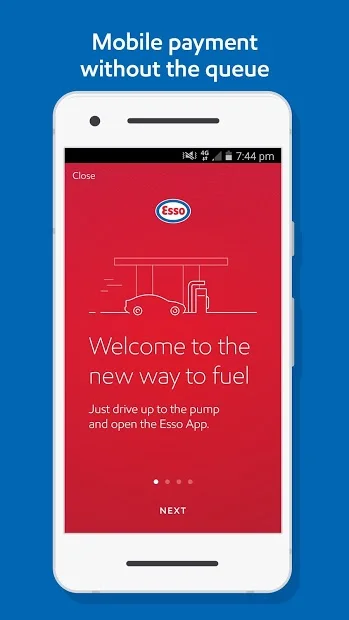
Android and iOS apps are on the UK app stores. Since release Exxon also added new functionality such as PayPal payment options but kept the design intent and system.
Creator App
for momentum machines, US
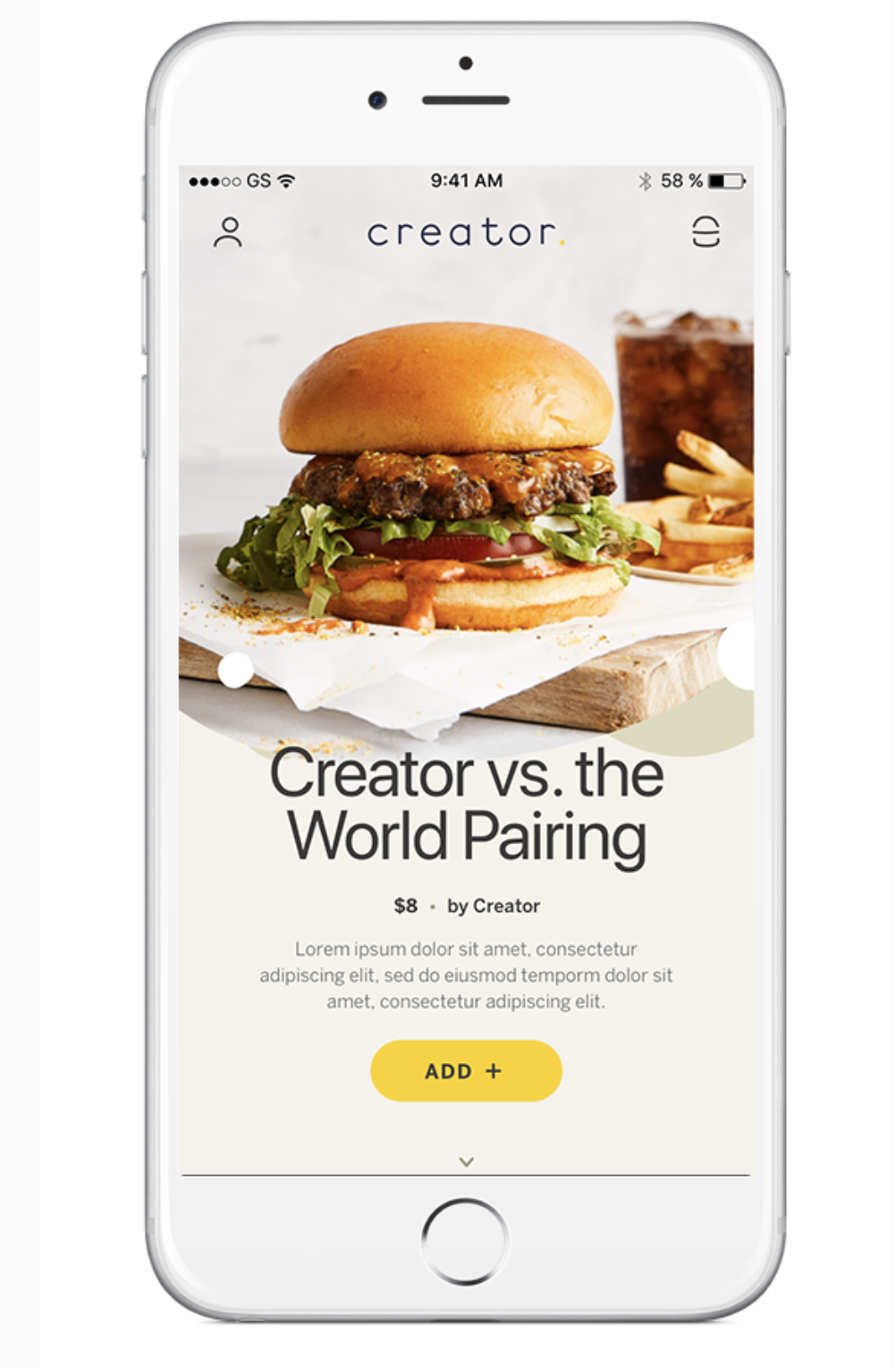
Project: End-to-end design for a new robotic restaurant’s mobile app.
Opportunity: Client wanted to give users a unique app to create precise and experimental burgers. Our challenge was to make it lovable as well as easy to use. View Creator website.
My roles and responsibilities: Collaborated with a design lead, strategist and program manager to do market research, define the concept, strategy and the execution plan. Closely collaborating with stakeholders helped iterations and quick decision making.
Highlights:
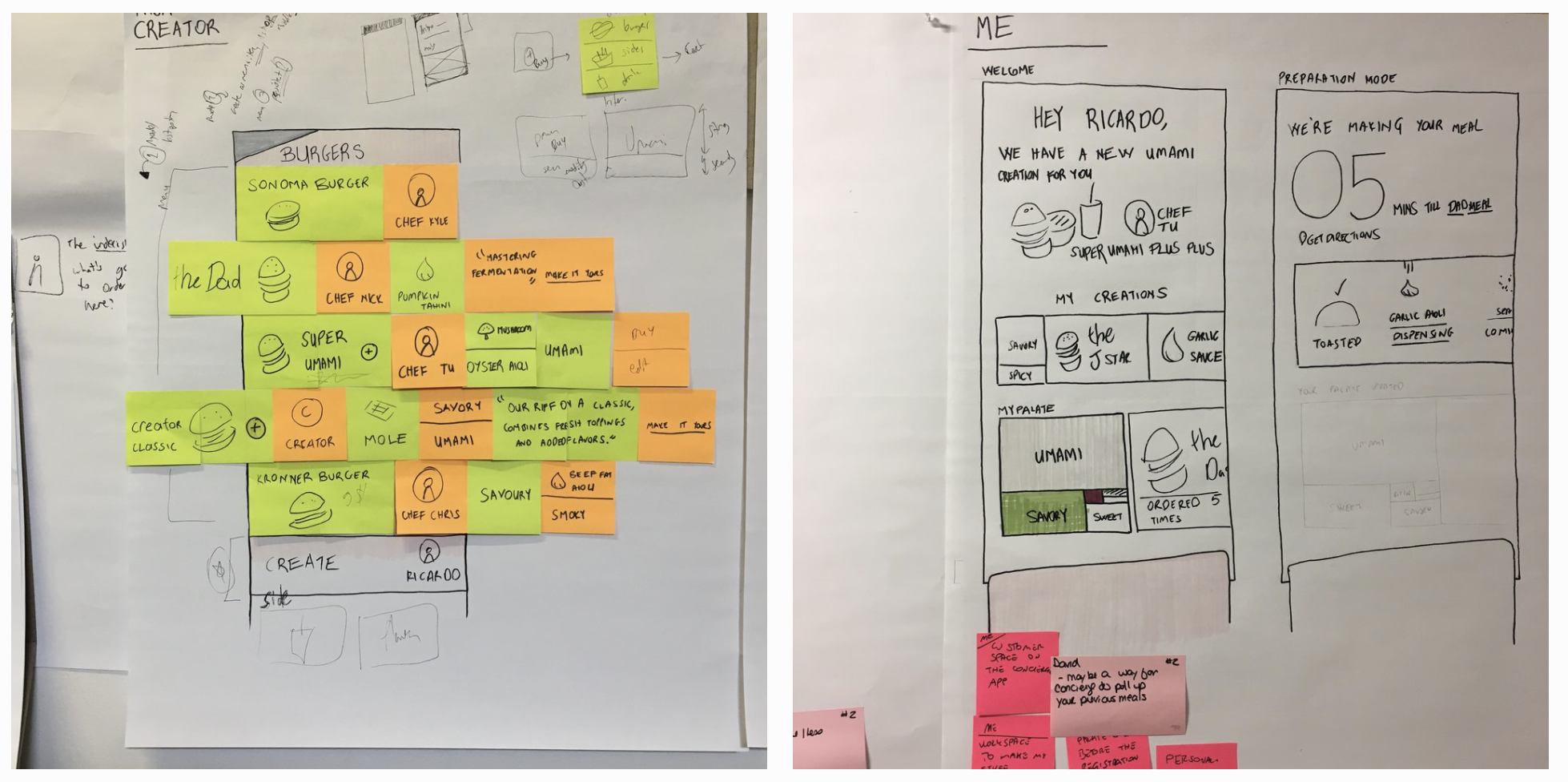
To create a strong user mental model around restaurant created menu vs. user created menu vs. cart with orders, I explored different spacial interaction models. Vertically and horizontally layering the 3 spaces. After initial testing, decided on horizontal layering; which was more familiar and easier to grasp for users.
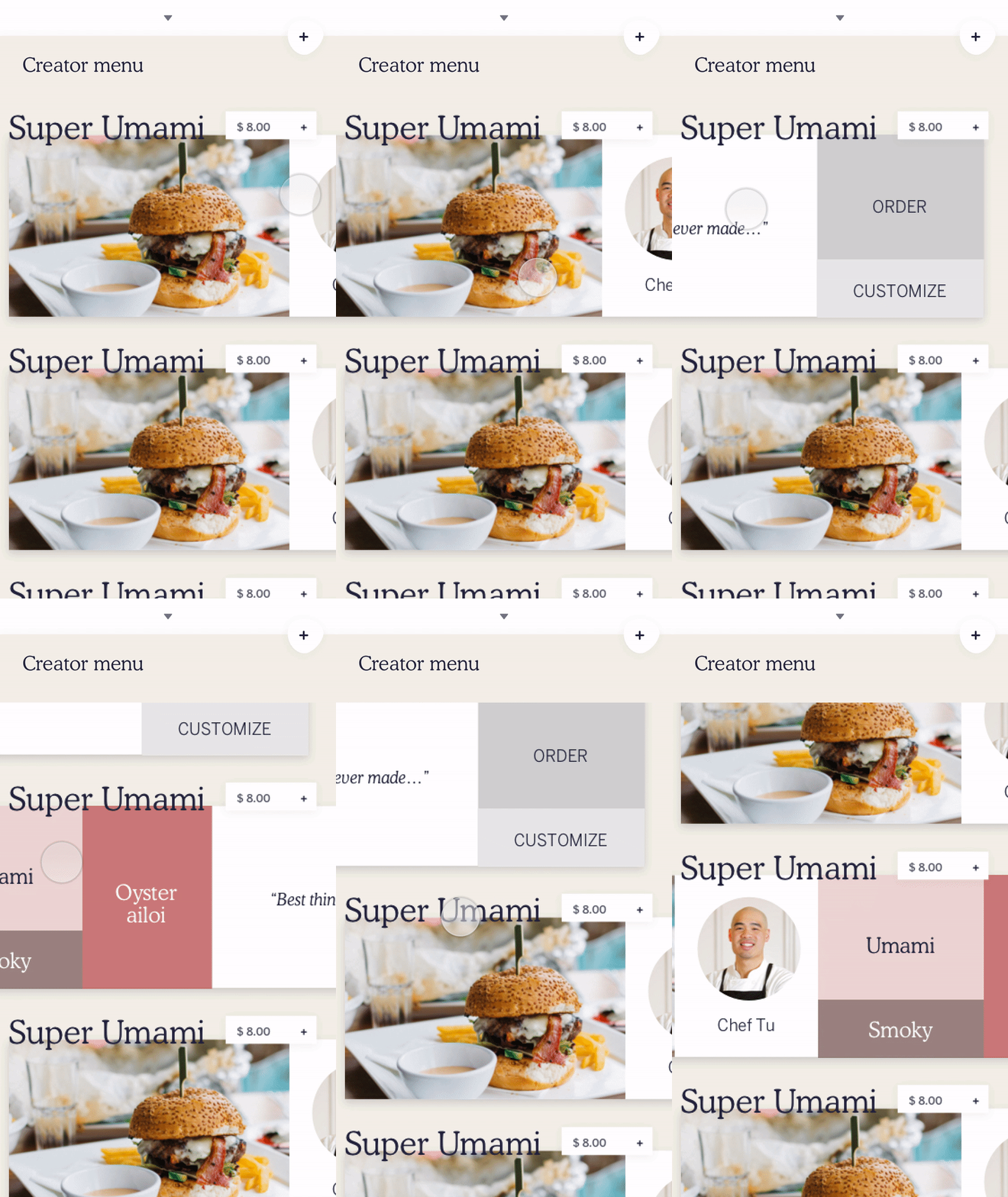
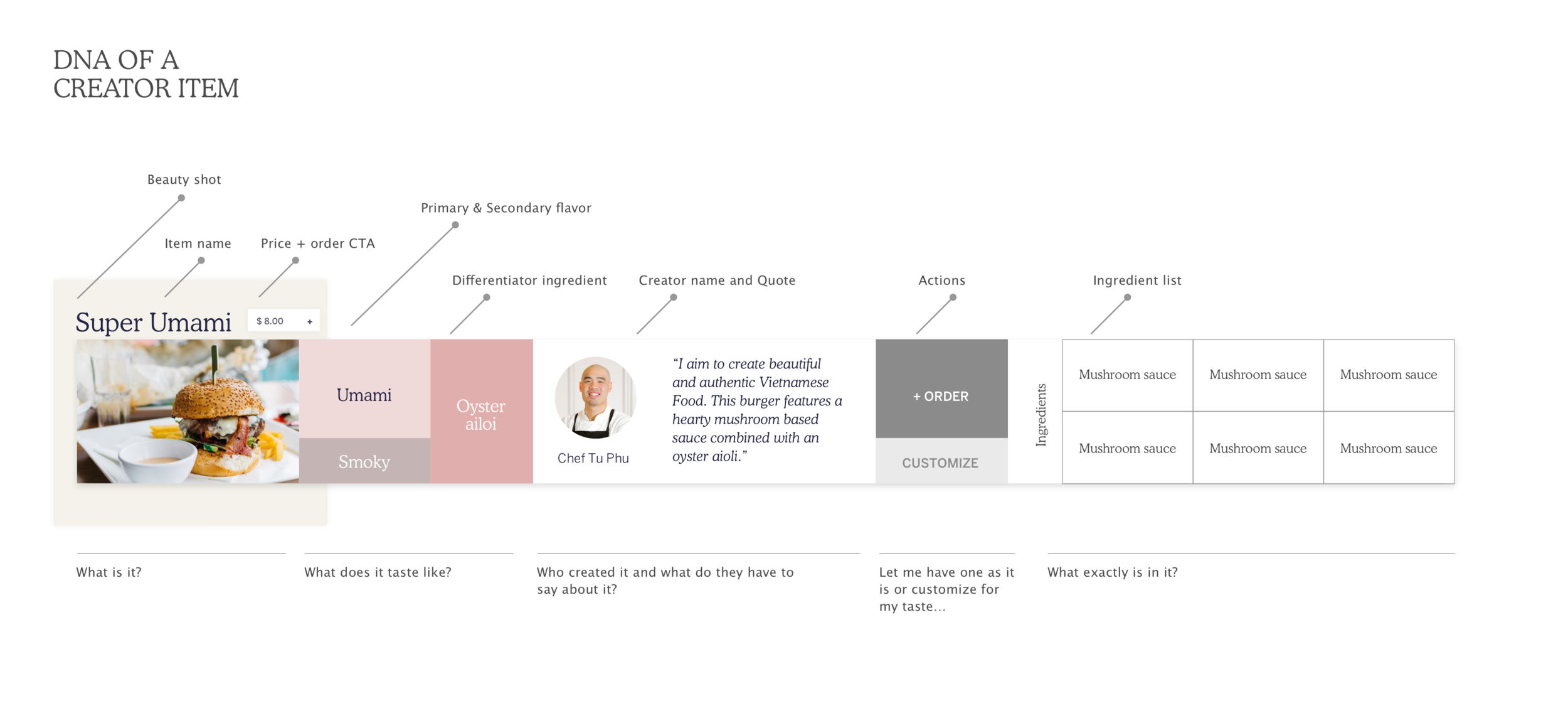
To make menu browsing a memorable interaction (part of the brief), I played with horizontally scrolled cards that feature the chef (creator), taste profile, ingredients etc. on cards. Final product features a more traditional approach to support quick ordering and ease of use.
For burger creation, we played with various patterns for micro interactions. Precision in customization was a key goal so we gave user ability to fine-tune while still keeping ease of use in mind.
4. messaging