creator restaurant ordering app
for Momentum machines & frog Ventures
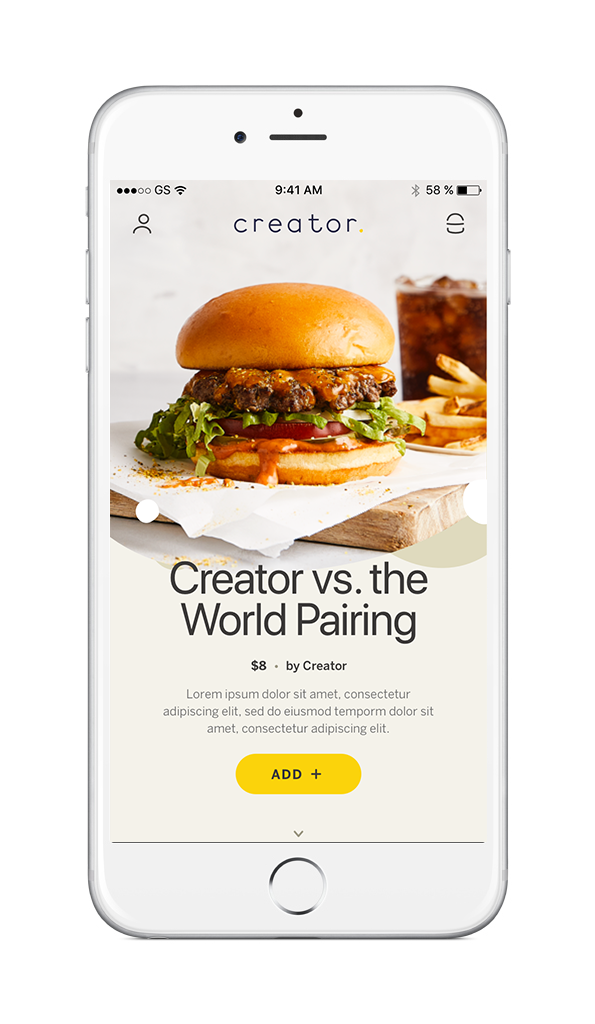
End-to-end design for a new robotic restaurant’s mobile app.
Project: As part of a frog ventures program, frog and Momentum Machines (startup from SF) worked together to create the mobile ordering app for the innovative, human-less burger joint experience called Creator. Momentum wanted to give users a unique app to create a precise and experimental burger. Our challenge was to make it lovable and easy to use. The restaurant soft-launched in SF, mobile app is in development. View Creator website for details of the machine and restaurant.
Process: We started with market research, continued to product definition and strategy. We quickly jumped into interaction modeling and prototypes of the UI. Ran three design sprints to define key app views and ordering flows. We often colocated and held multiple working sessions with the CEO and stakeholders of Momentum to enable quick decisions.
My roles and responsibilities: As the senior interaction designer, I worked in close collaboration with a visual design lead, a strategist and a program manager to define the product strategy and concept. When we added one more visual designer and interaction designer to the program, I helped plan team’s day-to-day work. One of my achievements on the project was guiding Momentum and our internal team through the product design process. I took the initial client brief and broke it down to functionality areas, helped prioritize for the MVP and the design sprint planning. I also gathered final requirements and wrote user stories in collaboration with the Momentum team.
product strategy
product management
mobile app
sketching
wireframing
prototyping
PROJECT HIGHLIGHTS
1. Using motion for quick testing
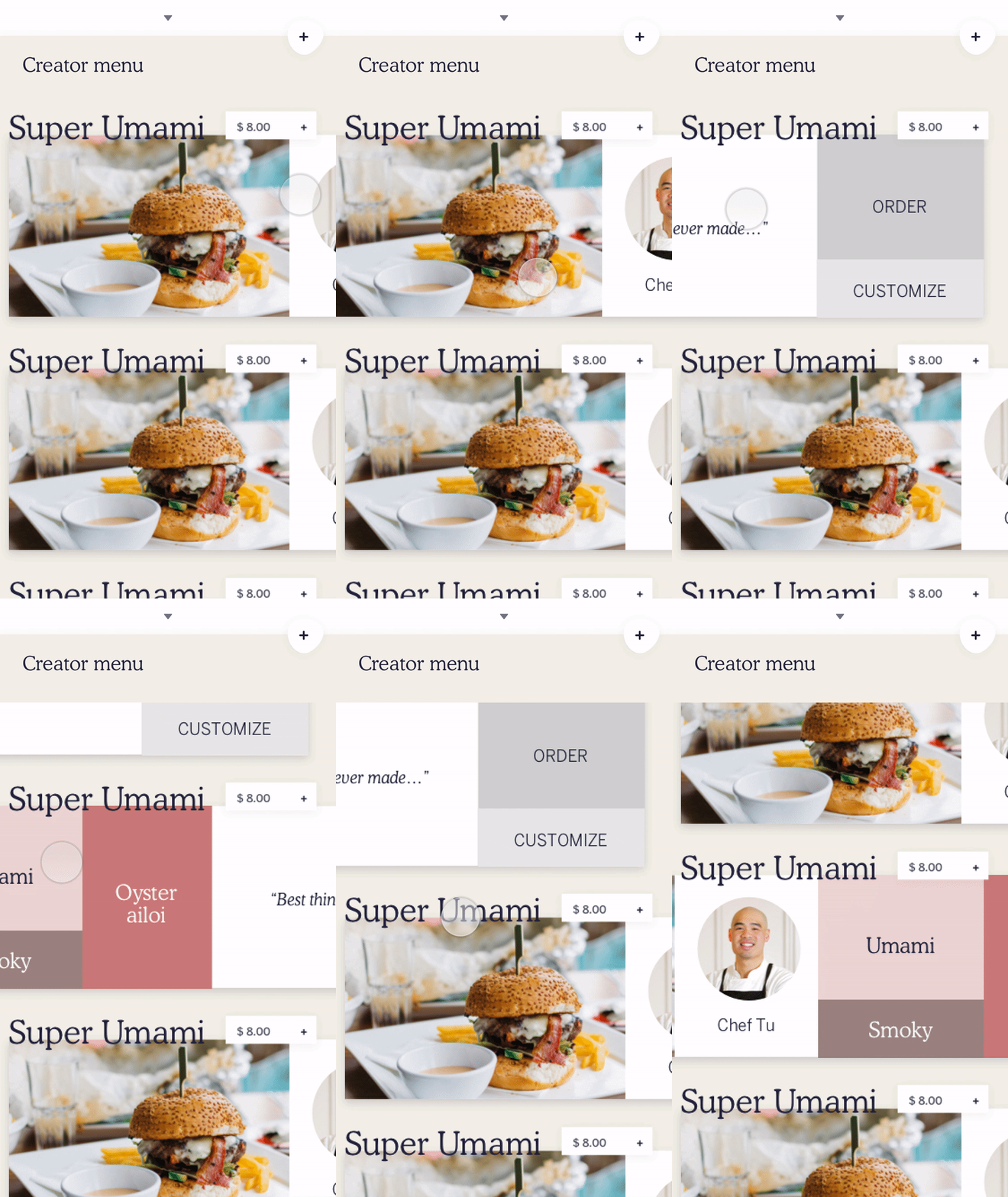
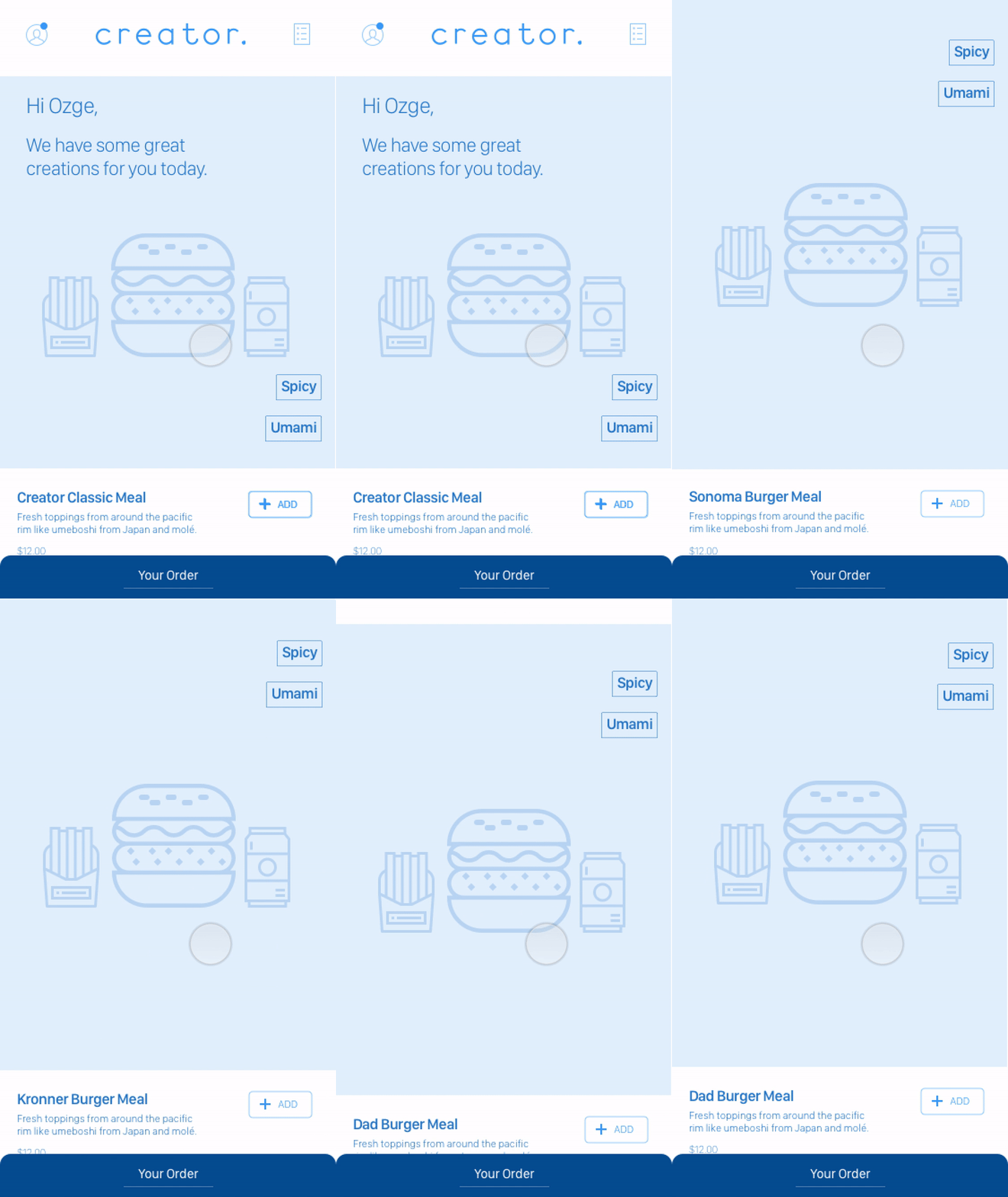
We used motion studies to make more informed interaction design decisions. Some ideas, such as partial scrolling to view item details was dismissed after a quick motion study.
Our first interaction model concept was a spatially-inspired design that contained restaurant menu in a dedicated layer and user’s personal burger creations on a separate one. A quick prototype and light user testing showed us the need to use a more familiar interaction model to meet the business need of enabling quick orders.
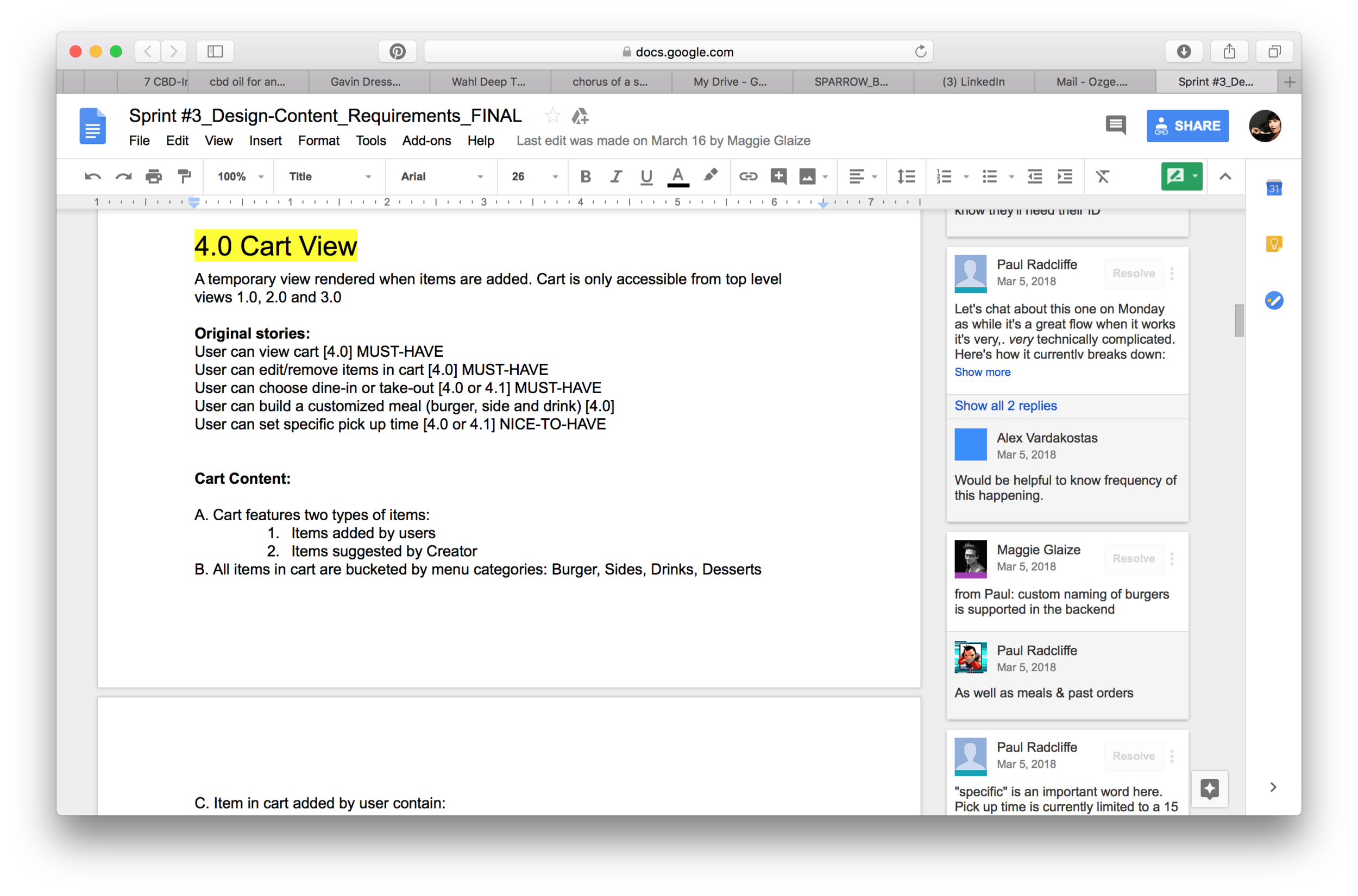
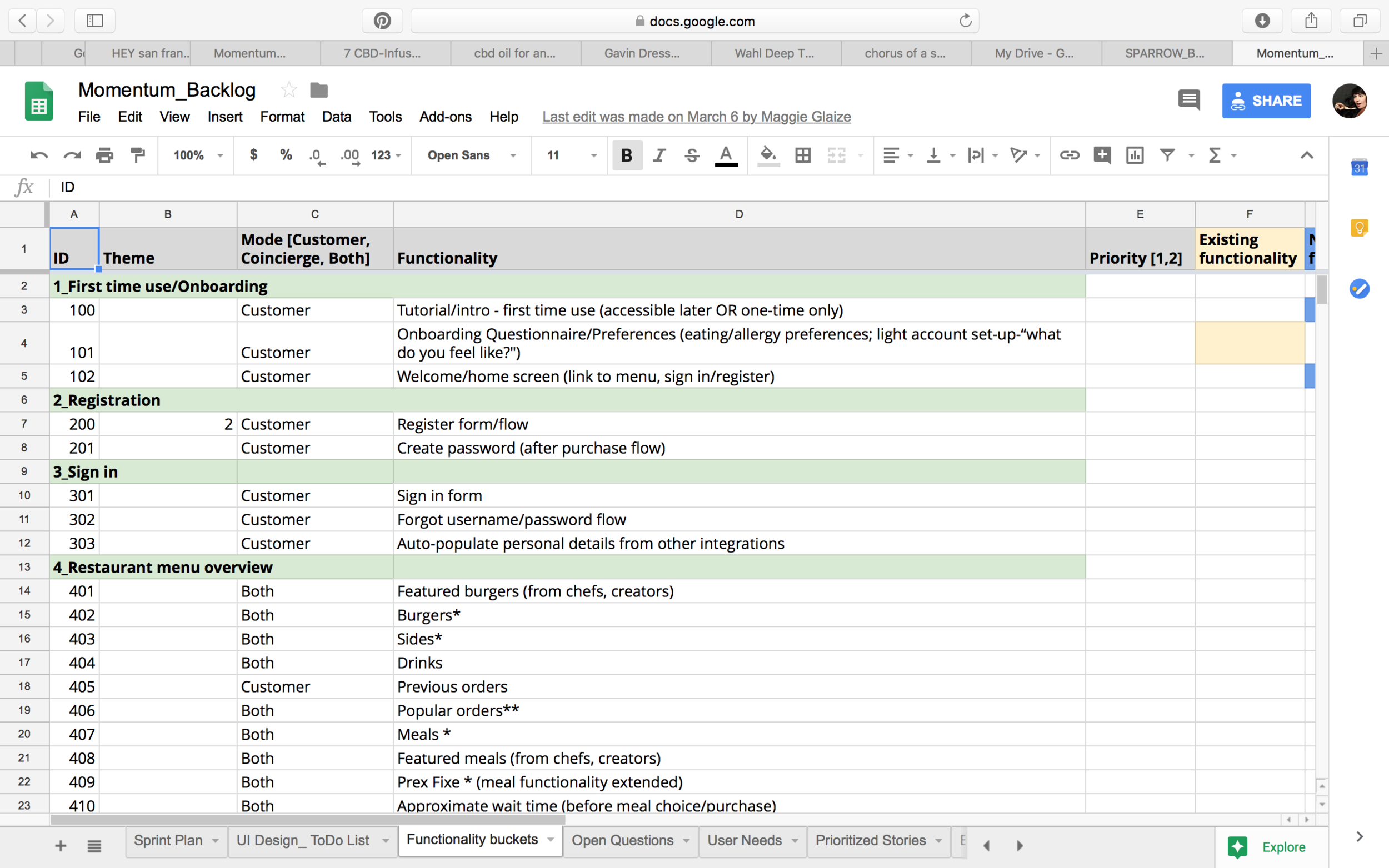
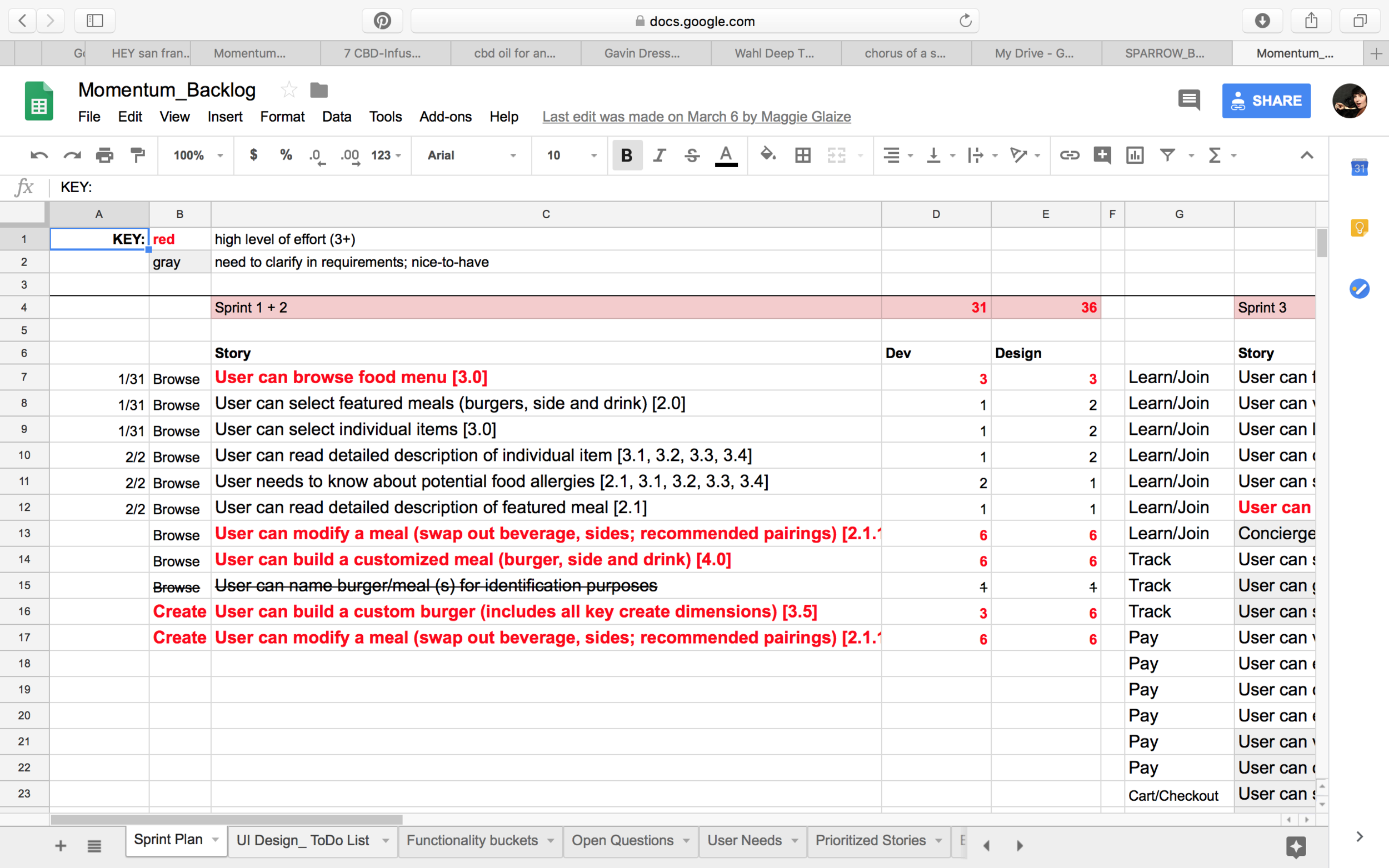
2. Establishing clear requirements
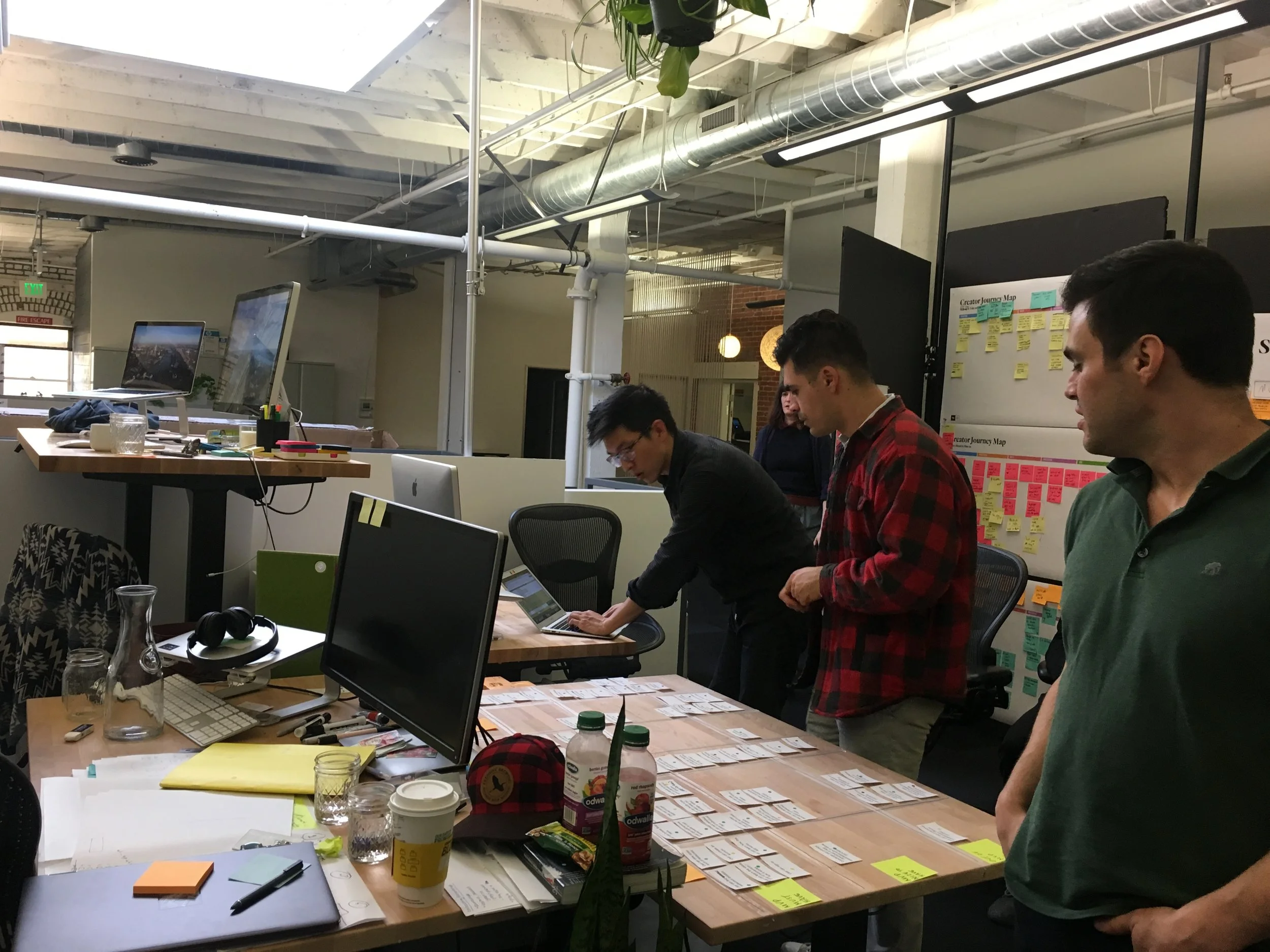
Our clients were incredibly ambitious yet working on a tight timeline. To manage expectations and minimize scope creep, I led the prioritization of features and functionality, and developed an initial MVP to guide our sprint planning.
Later when I rolled off the program, the team had sufficient requirements and guidelines to finish off the production work.
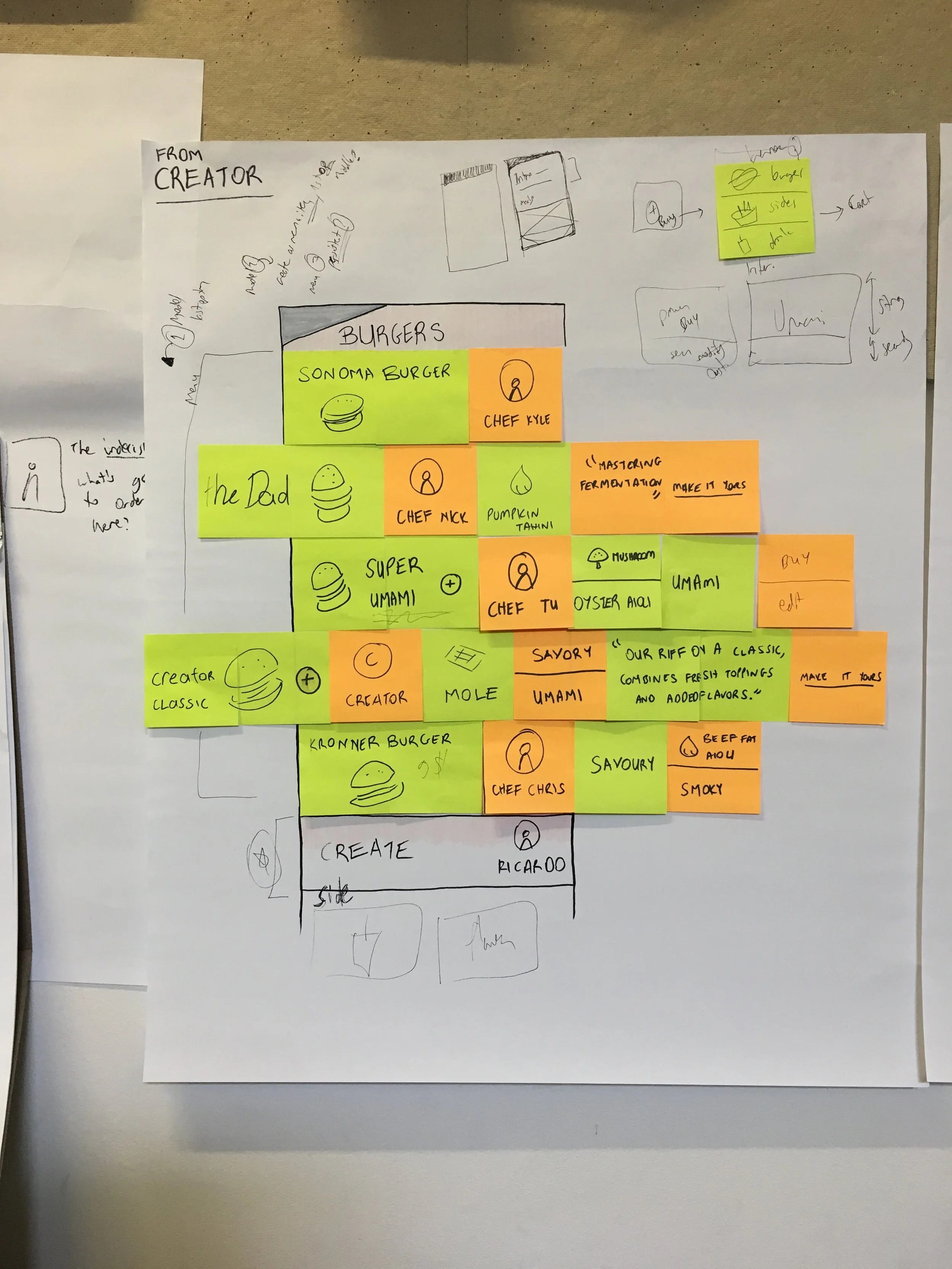
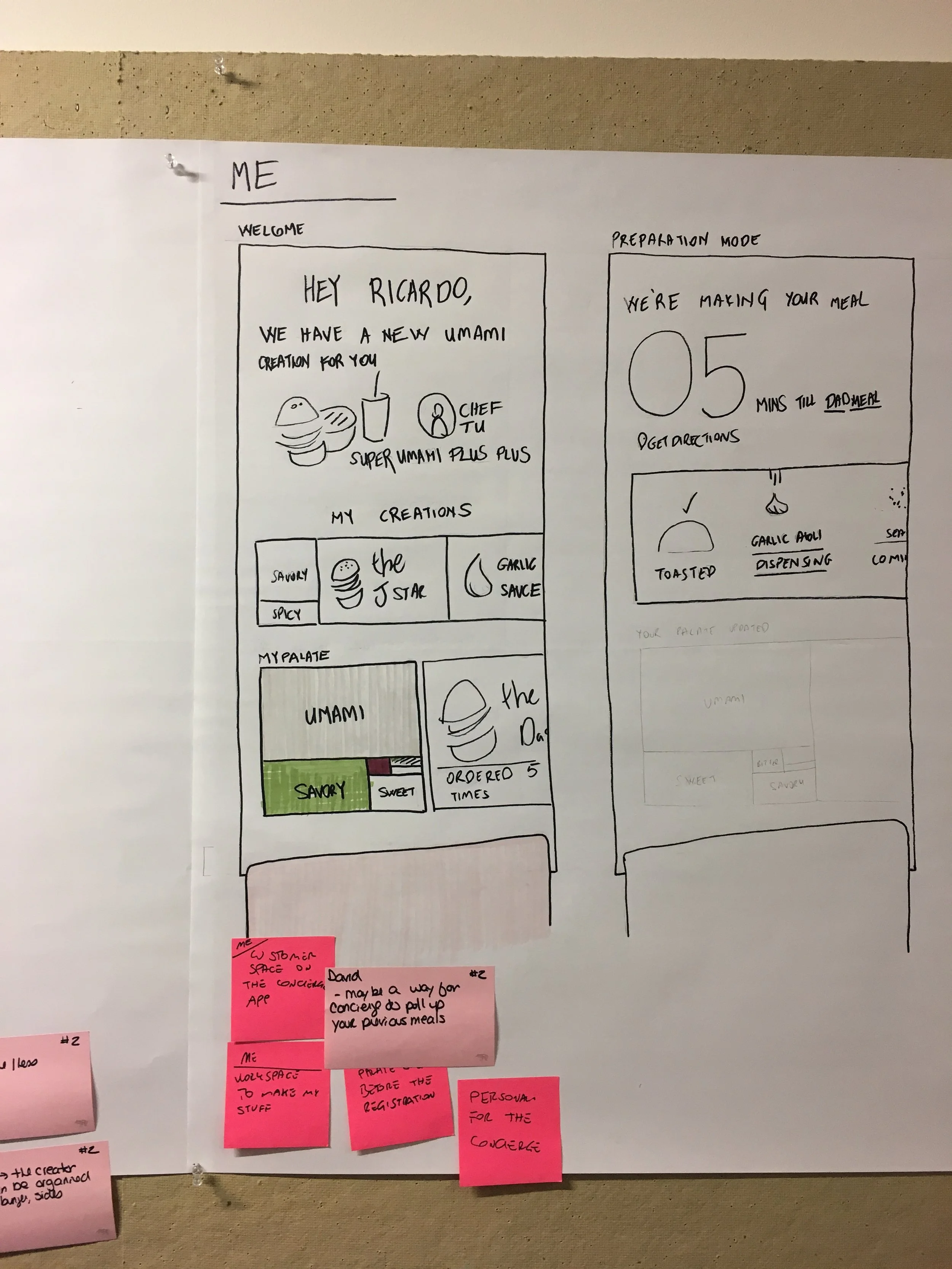
3. Sketch, white board and repeat
To support a highly collaborative and iterative process with the clients, expressing and articulating design intent at every stage was very important in my work. I facilitated whiteboarding sessions with the team multiple times a week to build together, and then captured the thinking in wires, artifacts, and flows.